
 0
0
1. What Is an Antenna and How Does It Work
Definition of an Antenna
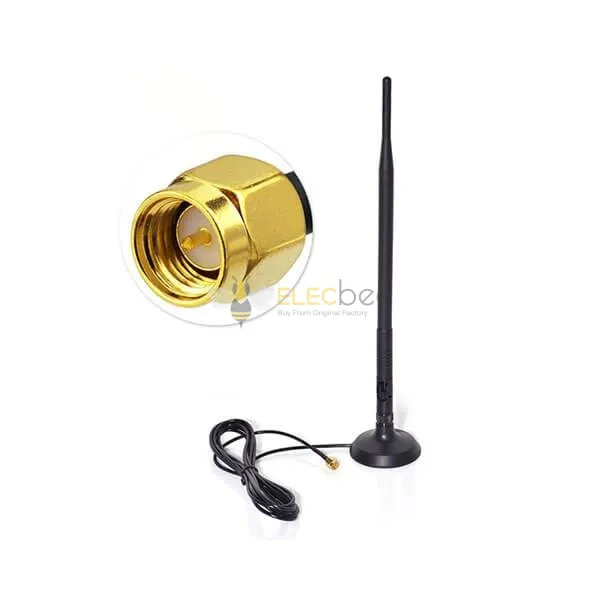
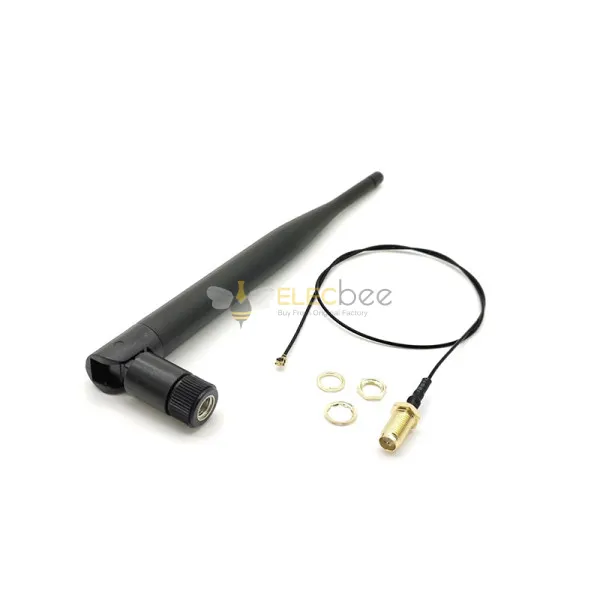
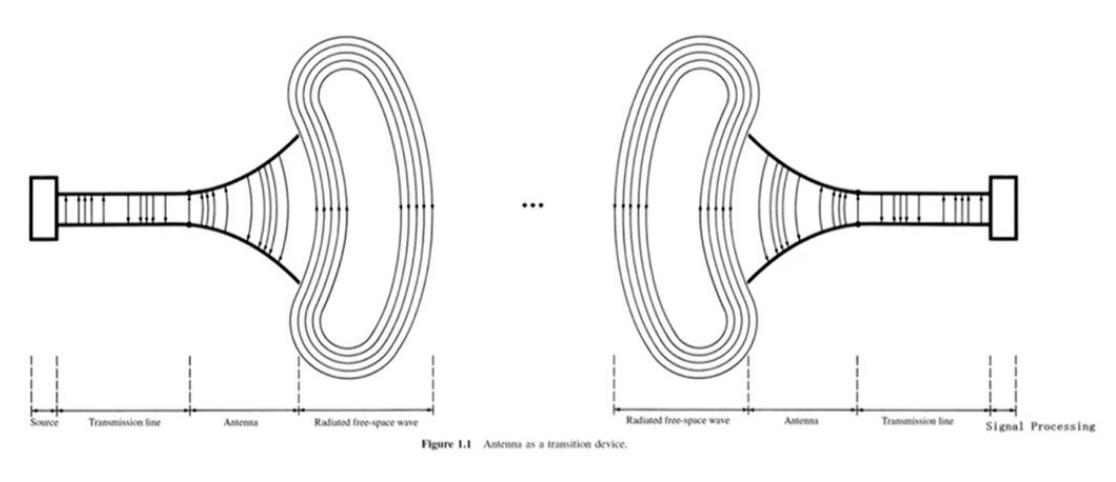
An antenna is a device designed to transmit and receive electromagnetic (EM) waves. It plays a critical role in wireless communication systems by converting electrical signals into radio waves and vice versa.
In simple terms, an antenna acts as a bridge between electronic devices and the surrounding electromagnetic environment.

Transmitting vs Receiving Antennas
Antennas can function in two primary ways:
-
Transmitting antennas convert electrical energy into electromagnetic waves and radiate them into space.
-
Receiving antennas capture electromagnetic waves and convert them back into electrical signals.
Most modern antennas are capable of both transmitting and receiving signals, depending on system design.
Basic Working Principle of Electromagnetic Radiation
When an alternating current flows through an antenna conductor, it generates changing electric and magnetic fields. These fields propagate through space as electromagnetic waves, enabling wireless signal transmission over long distances.
2. The History of Antenna Technology
Early Discoveries in Electromagnetism
The foundation of antenna technology began in the early 19th century when Hans Christian Ørsted discovered the relationship between electricity and magnetism. His experiments showed that an electric current produces a magnetic field, laying the groundwork for electromagnetic theory.
Marconi and the First Wireless Communication
In the late 19th century, Guglielmo Marconi successfully transmitted the first wireless telegraph signal across the Atlantic Ocean. This breakthrough marked the birth of practical wireless communication and demonstrated the importance of antennas.
Evolution of Modern Antennas
Since then, antenna technology has rapidly evolved. Today, antennas are used in everything from smartphones and satellites to IoT devices and industrial systems, enabling global connectivity.

3. Core Functions of an Antenna
Transmission Line Function
An antenna is connected to a transmission line that delivers electrical power. Efficient power transfer is critical, and impedance matching is often used to minimize signal reflection and loss.
Radiation and Signal Emission
The antenna must efficiently radiate electromagnetic energy into space. To achieve this, its physical size is often related to the signal wavelength, typically around half-wavelength for optimal performance.
Resonance and Frequency Matching
Antennas naturally resonate at specific frequencies. For broadband applications, designers must carefully manage resonance effects to ensure stable and efficient signal transmission across multiple frequency bands.
4. Common Types of Antennas and Their Applications
GSM and LTE Antennas
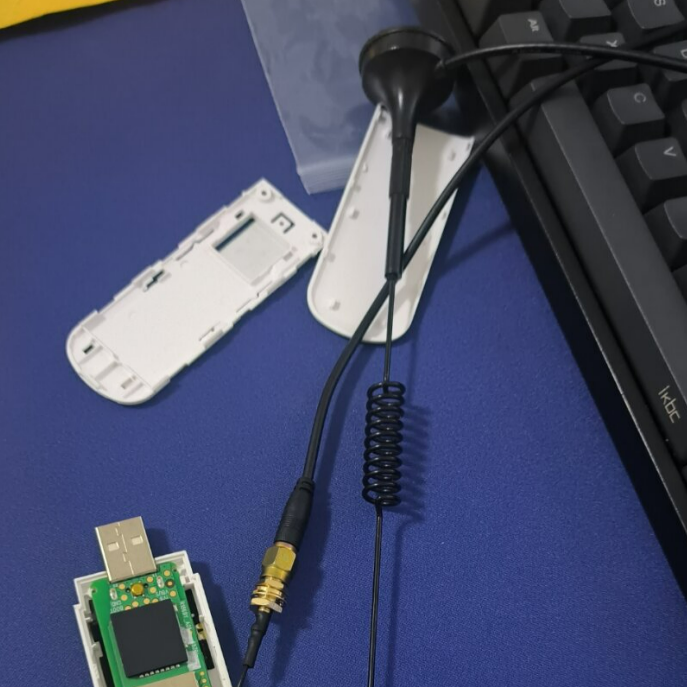
GSM and LTE antennas are widely used in mobile communication systems. They support cellular networks and enable voice, data, and internet connectivity across large areas.
RFID Antennas
RFID antennas are used in identification and tracking systems, such as inventory management, access control, and logistics. They enable contactless data transmission between tags and readers.

GPS Antennas
GPS antennas receive satellite signals to determine precise location data. They are commonly used in navigation systems, automotive applications, and mobile devices.

Industrial and IoT Antennas
In industrial automation and IoT environments, antennas enable communication between sensors, machines, and control systems. These antennas are often designed for durability and reliability in harsh conditions.
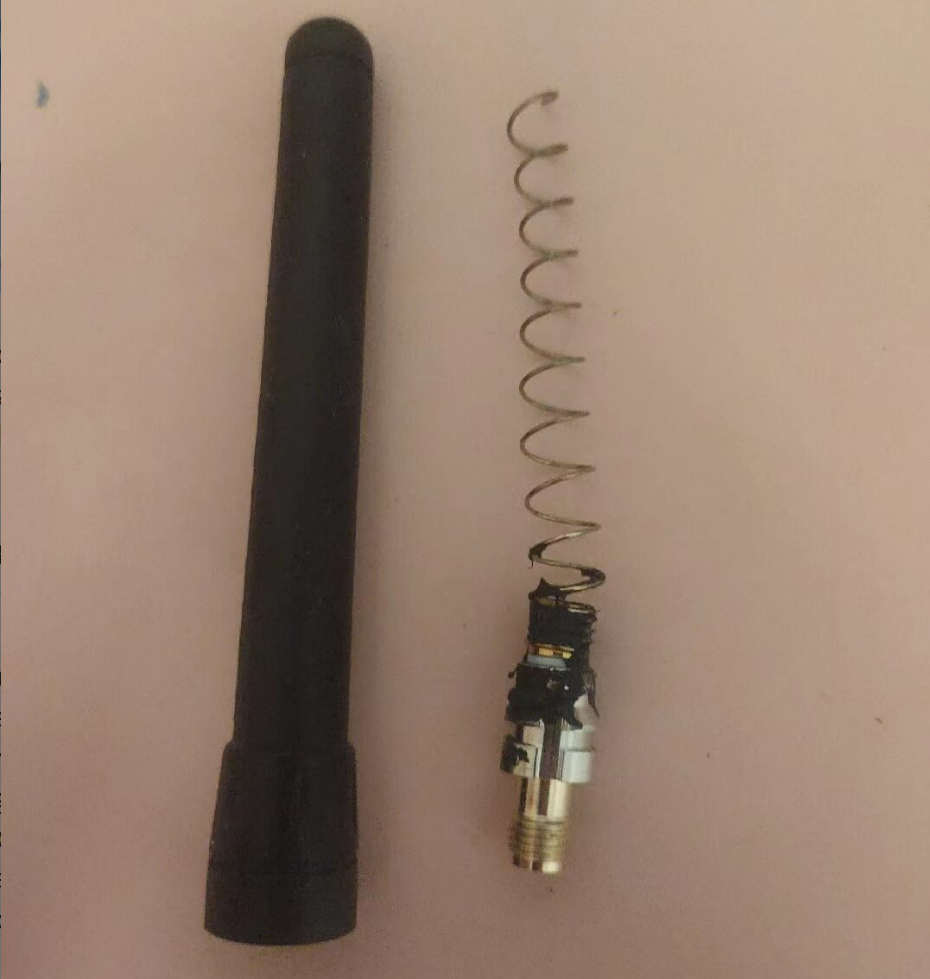
5. How to Choose the Right Antenna for Your Application
Frequency and Band Requirements
Selecting the correct antenna starts with understanding the operating frequency. Different applications require specific frequency bands, such as LTE, Wi-Fi, or GPS.
Environment and Installation Conditions
Environmental factors such as temperature, humidity, and interference can impact antenna performance. Outdoor and industrial applications often require rugged and waterproof designs.
Connector Compatibility and Design
Connector type and cable compatibility are also critical considerations. Choosing the right RF connectors ensures stable signal transmission and easy integration into your system.
6. Conclusion: Why Antennas Are Essential in Modern Communication
Antennas are fundamental components of modern wireless communication systems. From basic radio transmission to advanced IoT networks, they enable seamless connectivity across devices and industries.
Understanding how antennas work, their types, and how to choose the right one can significantly improve system performance and reliability. Whether you are a beginner or a professional, mastering antenna fundamentals is essential in today’s connected world.