
 0
0
What Is an RJ45 Connector?
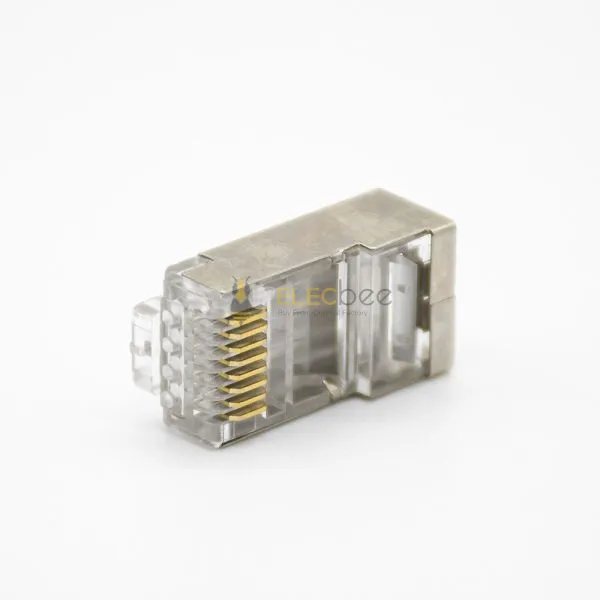
An RJ45 connector is a standard interface used for Ethernet networking, widely applied in devices such as routers, PCs, switches, and industrial control systems. The term “RJ” stands for Registered Jack, a standardized network interface defined by the FCC (Federal Communications Commission).
Among the RJ connector family—including RJ11, RJ14, and RJ25—the RJ45 connector is specifically designed for data transmission and supports 8-position, 8-contact (8P8C) configurations, making it the most common connector for modern network communication.
RJ45 Connector Structure and Components
RJ45 Plug vs RJ45 Jack
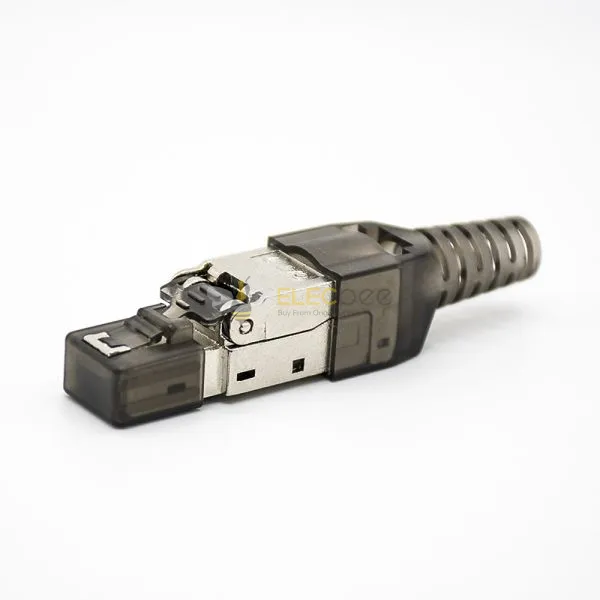
An RJ45 connector consists of two main parts:
-
RJ45 Plug (Male Connector):
Typically attached to Ethernet cables, featuring 8 pins for signal transmission. -
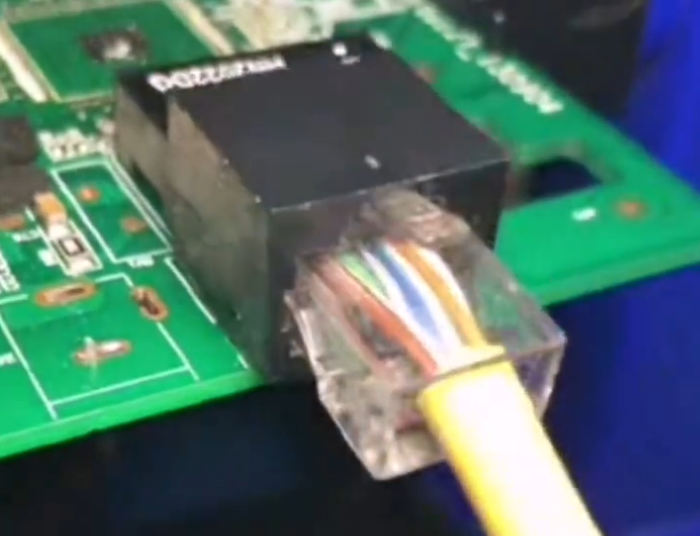
RJ45 Jack (Female Connector):
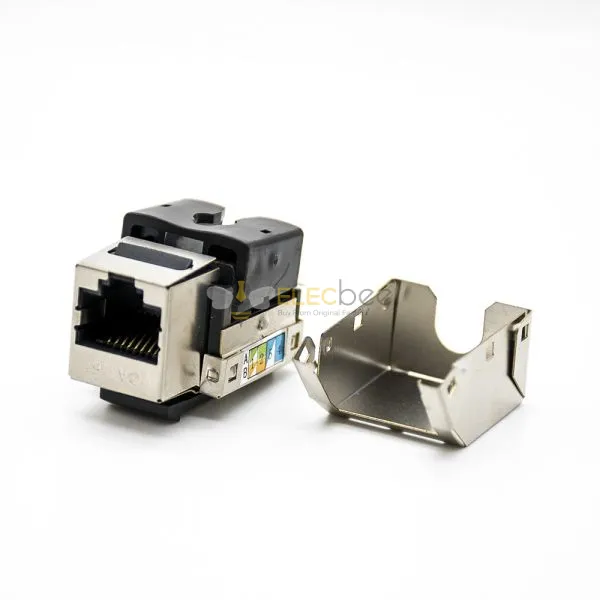
Usually mounted on PCBs or equipment panels, also known as an RJ45 socket or network port.
In most electronic designs, the RJ45 jack is integrated into devices, while the plug is used on the cable side.
Pin Configuration and Contacts
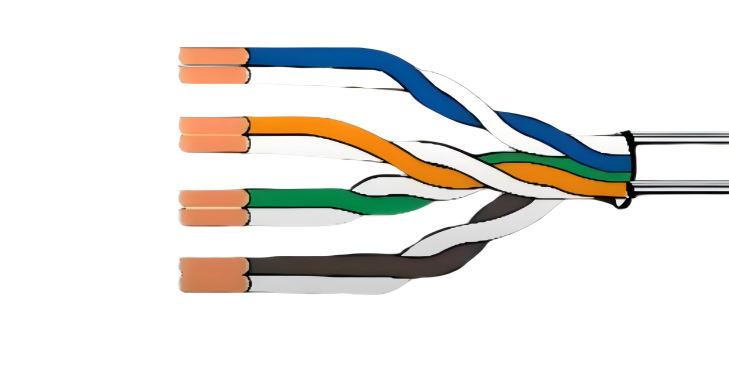
The RJ45 connector uses an 8-pin configuration, supporting high-speed data transmission. Each pin plays a role in transmitting and receiving signals, ensuring stable network communication.
Types of RJ45 Connectors
Through-Hole vs SMT RJ45 Connectors
-
Through-Hole RJ45 Connectors:
Provide stronger mechanical stability, ideal for industrial and rugged environments. -
SMT (Surface Mount Technology) RJ45 Connectors:
Suitable for compact PCB designs and automated assembly processes.
Straight vs Right-Angle RJ45 Jacks
-
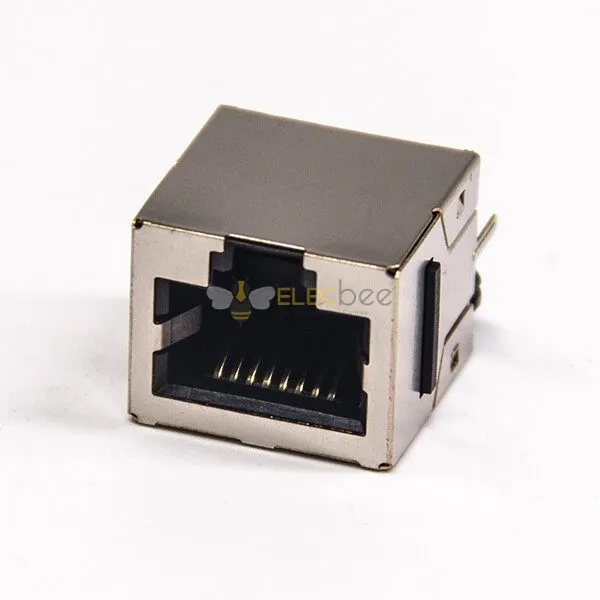
Straight (180°) RJ45 Connectors:
Used when cables connect directly outward.
-
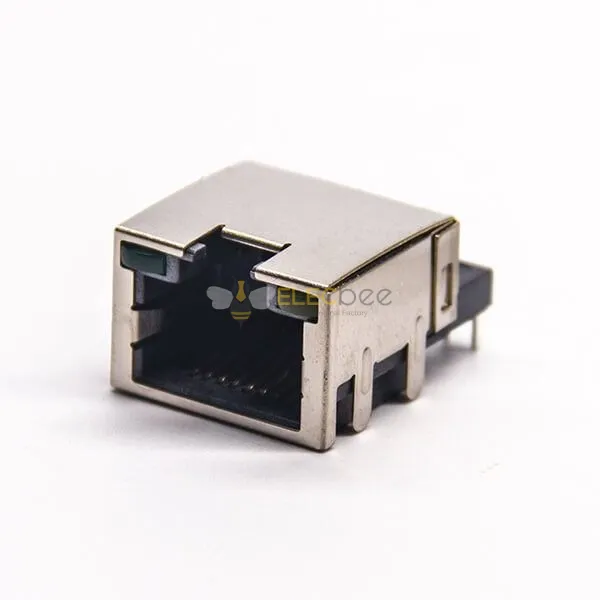
Right-Angle (90°) RJ45 Connectors:
Ideal for space-saving PCB layouts and enclosure design.
Single-Port vs Multi-Port RJ45 Connectors
-
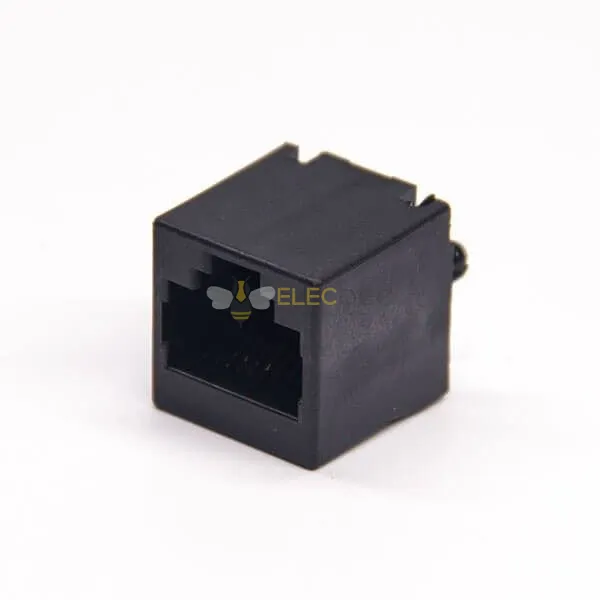
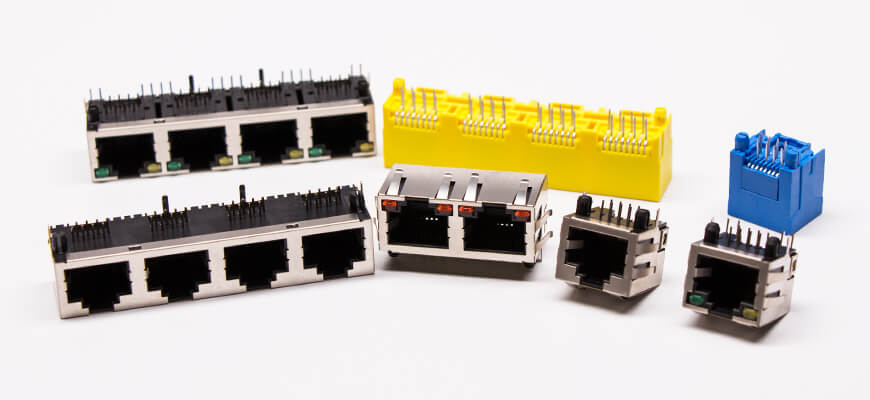
Single-Port RJ45:
Common in standard devices. -
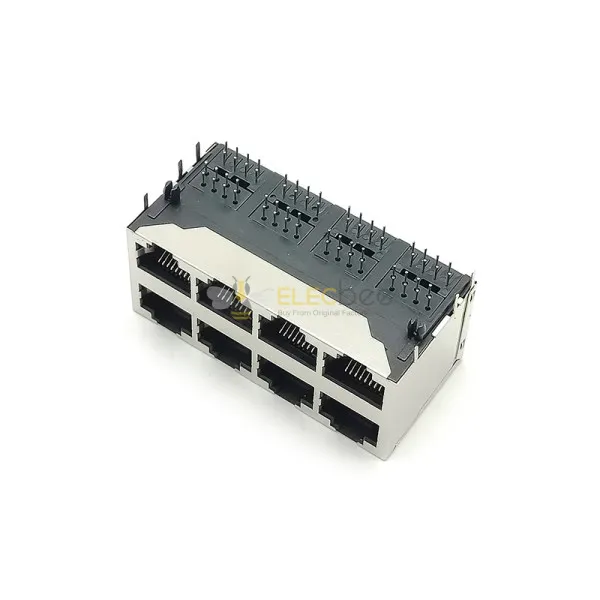
Multi-Port RJ45:
Used in switches, servers, and networking hubs where multiple connections are required.
Shielded vs Unshielded RJ45 Connectors
What Is a Shielded RJ45 Connector?
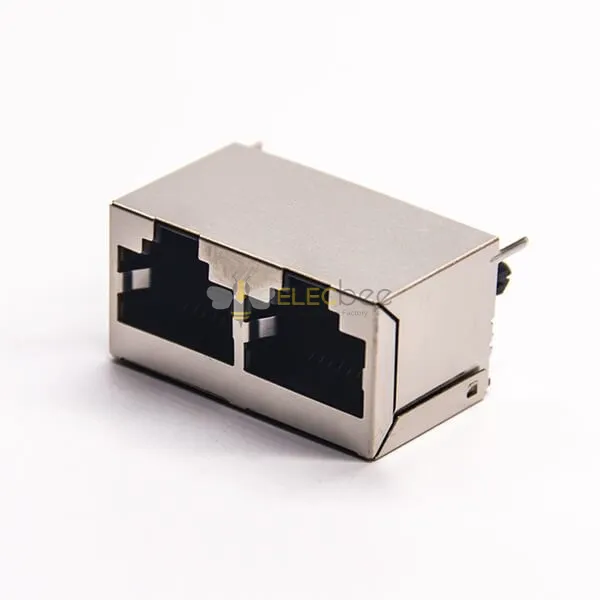
A shielded RJ45 connector includes a metal shielding layer that reduces electromagnetic interference (EMI), ensuring more stable signal transmission.
When to Use Shielded vs Unshielded
-
Shielded RJ45:
Recommended for industrial environments, high-frequency applications, or areas with strong interference. -
Unshielded RJ45:
Suitable for general home or office networking with minimal interference.
RJ45 Connectors with LED Indicators
LED Functions and Color Meanings
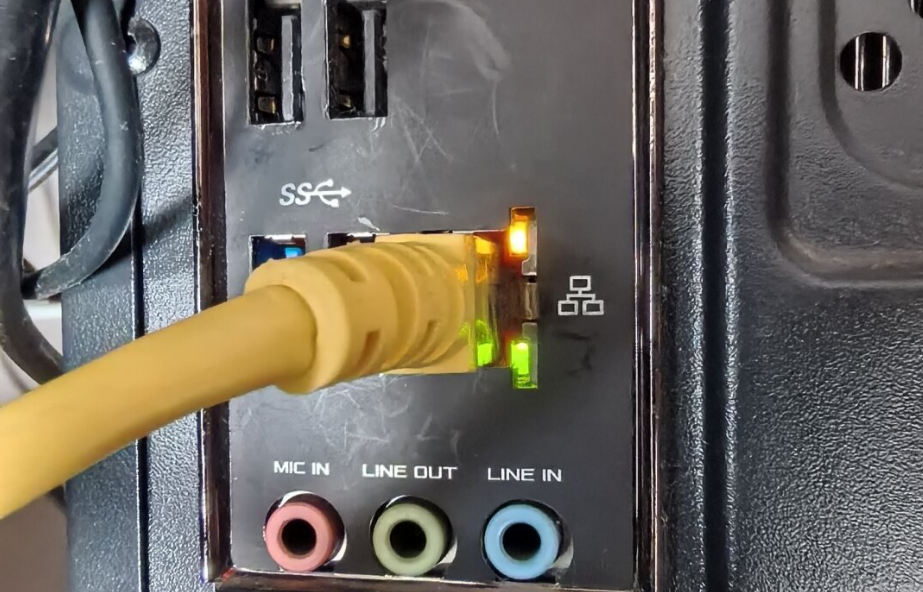
Many RJ45 jacks come with built-in LED indicators for real-time status monitoring:
-
Yellow LED: Power indication
-
Green LED: Data transmission activity
Some designs may use dual green LEDs or alternative color combinations depending on system requirements.
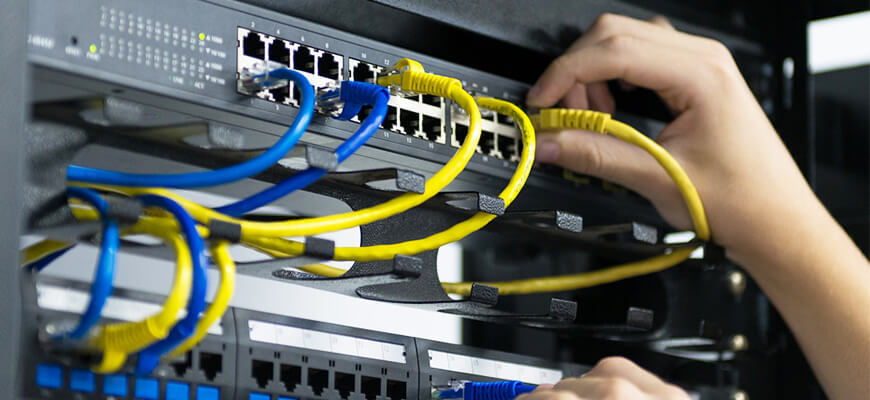
Applications in Networking Equipment
RJ45 connectors with LEDs are widely used in:
-
Routers and switches
-
Network interface cards (NICs)
-
Industrial Ethernet devices
They help users quickly identify connection and activity status.
RJ45 Connector Plating and Materials
Gold Plating vs Nickel Plating
The contact points of RJ45 connectors are typically plated with:
-
Gold Plating:
Offers superior conductivity and corrosion resistance. -
Nickel Plating:
Provides durability and cost-effectiveness.
Impact on Performance and Durability
High-quality plating improves:
-
Signal integrity
-
Contact reliability
-
Connector lifespan
Common Applications of RJ45 Connectors
Consumer Electronics
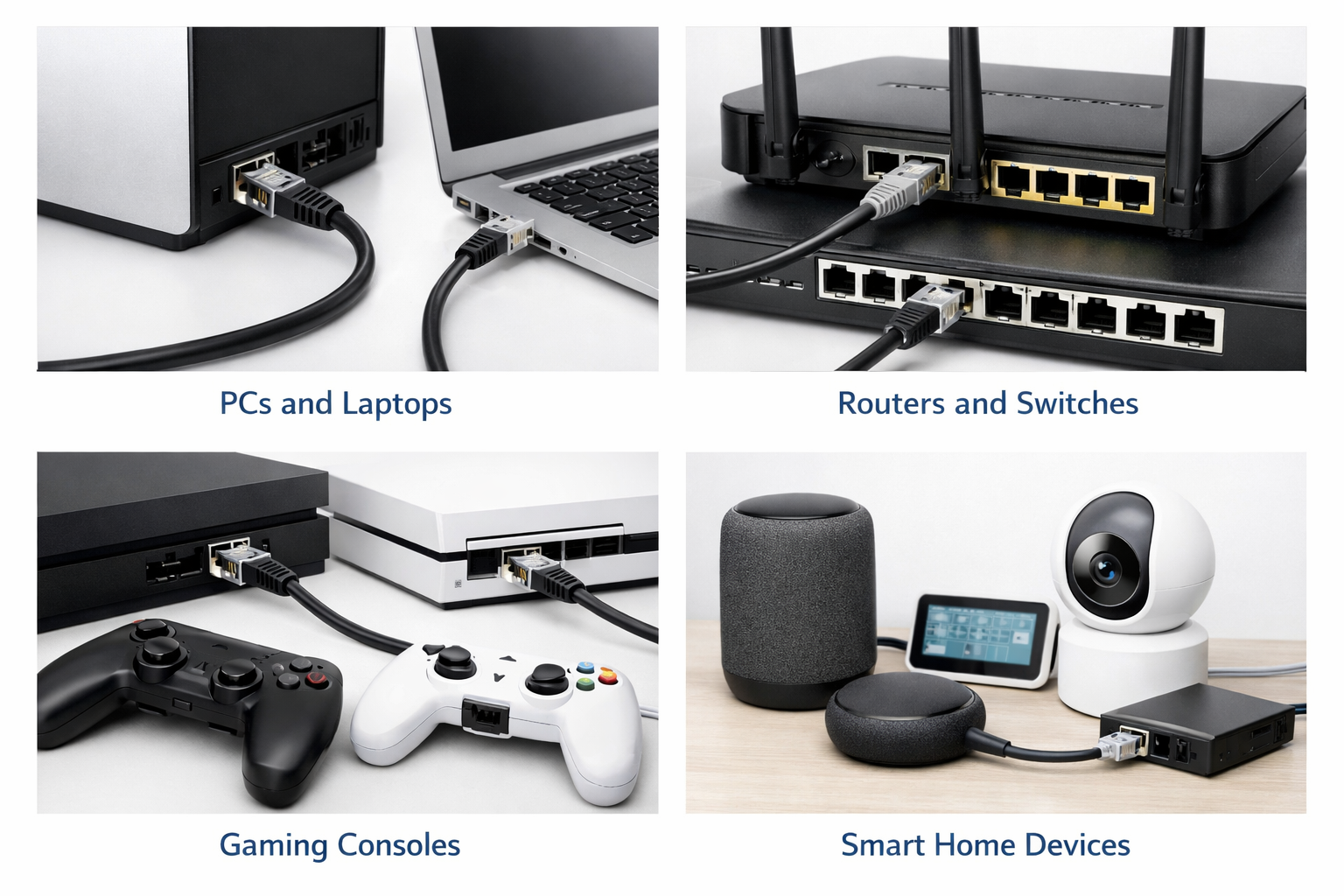
RJ45 connectors are widely used in:
-
PCs and laptops
-
Routers and switches
-
Gaming consoles
-
Smart home devices
Industrial and Communication Systems
In industrial and professional environments, RJ45 connectors are essential for:
-
Automation systems
-
Security cameras
-
Medical equipment
-
Communication infrastructure
How to Choose the Right RJ45 Connector
Key Selection Factors
When selecting an RJ45 connector, consider:
-
Mounting type (Through-hole or SMT)
-
Shielding requirement
-
Port configuration (single or multi-port)
-
Presence of LED indicators
PCB Design Considerations
For PCB integration, factors such as layout space, orientation (90° or 180°), and mechanical strength should be carefully evaluated to ensure optimal performance.
Conclusion
The RJ45 connector remains a critical component in modern networking, offering reliable and standardized connectivity across a wide range of applications. By understanding its structure, types, and selection criteria, engineers and buyers can choose the right RJ45 connector to ensure stable and efficient data transmission.
For high-quality RJ45 connectors, including shielded, multi-port, and LED-integrated options, platforms like Elecbee provide a wide selection for both standard and custom applications.