
 0
0
1. Introduction to Relays
Relays are essential components in electronic and industrial control systems. They act as switches that control electrical circuits by opening and closing contacts. There are two main types of relays: solid state relays (SSR) and mechanical relays (MR). Understanding their differences, advantages, and applications is crucial for engineers, hobbyists, and industrial professionals.

2. Solid State Relay (SSR): Features and Benefits
How SSR Works
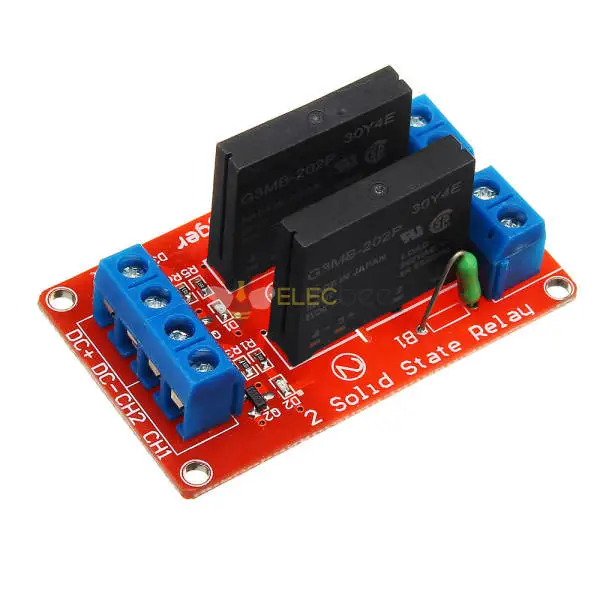
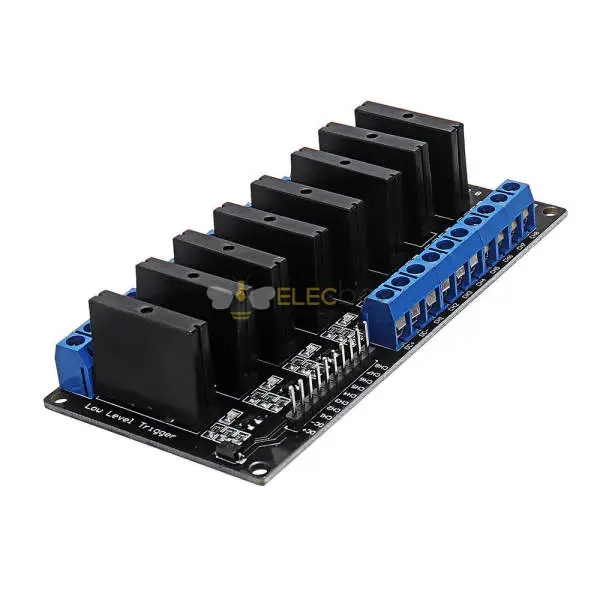
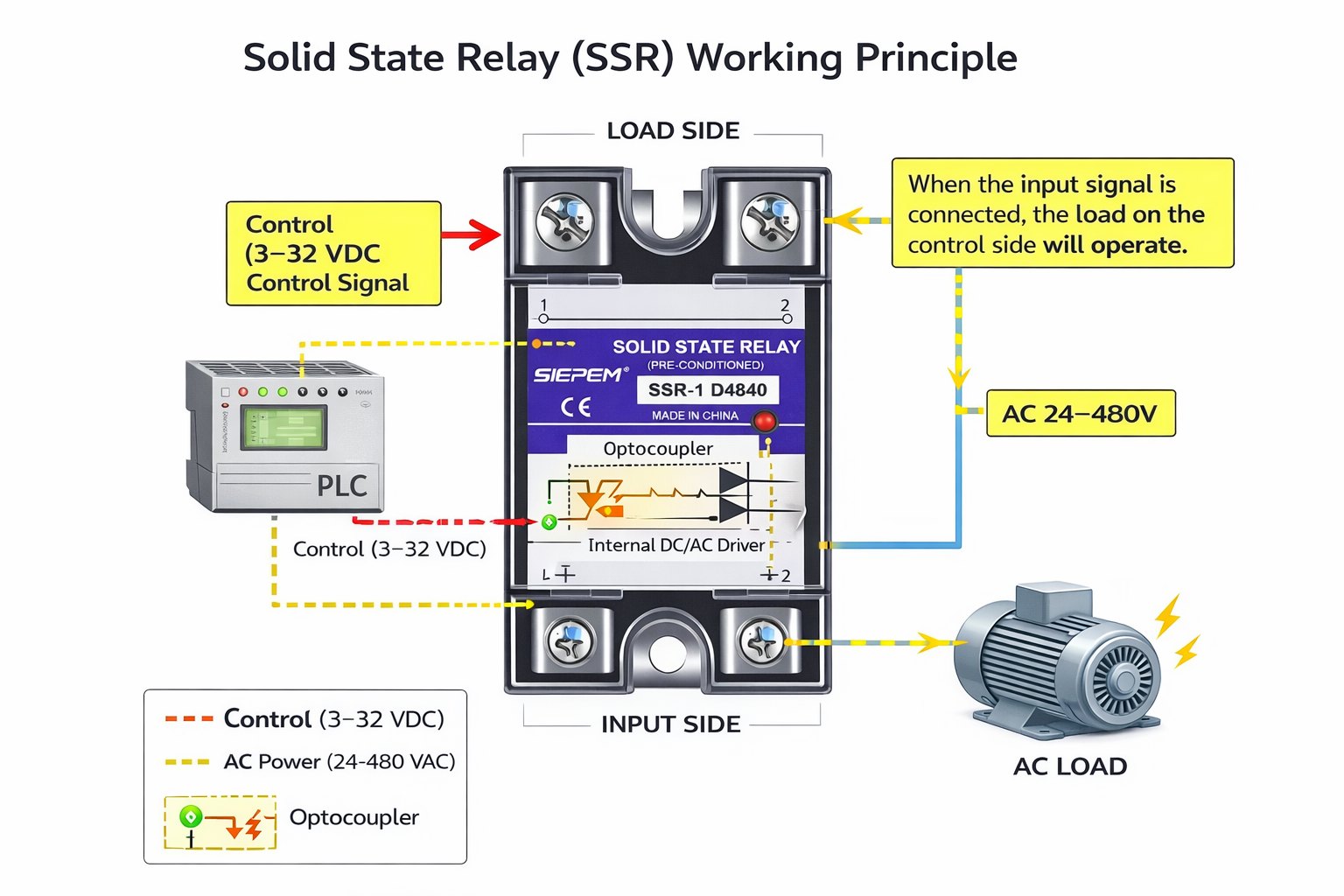
A solid state relay operates without moving parts. It uses semiconductor devices such as thyristors, triacs, or transistors to switch electrical loads. This design eliminates mechanical wear, making SSRs ideal for applications that require frequent switching.
Advantages of SSR
• Silent Operation: SSRs switch without a click, reducing noise in sensitive environments.
• High Switching Speed: Ideal for applications requiring rapid on/off cycles, such as PID-controlled heaters.
• Durable and Long-lasting: No mechanical contacts, minimizing wear and tear.
• Low Control Power: Requires minimal input current, making it suitable for microcontroller-based systems.
Limitations and Considerations
• Heat Dissipation: SSRs generate heat when conducting high currents and often require heat sinks.
• Higher Cost: Compared to mechanical relays, SSRs are generally more expensive.
• Failure Mode: When they fail, SSRs typically fail closed, which may pose safety concerns.
• Limited Isolation: SSRs do not inherently provide electrical isolation for maintenance; a separate disconnect switch is recommended.

3. Mechanical Relay (MR): Features and Benefits
How Mechanical Relays Work
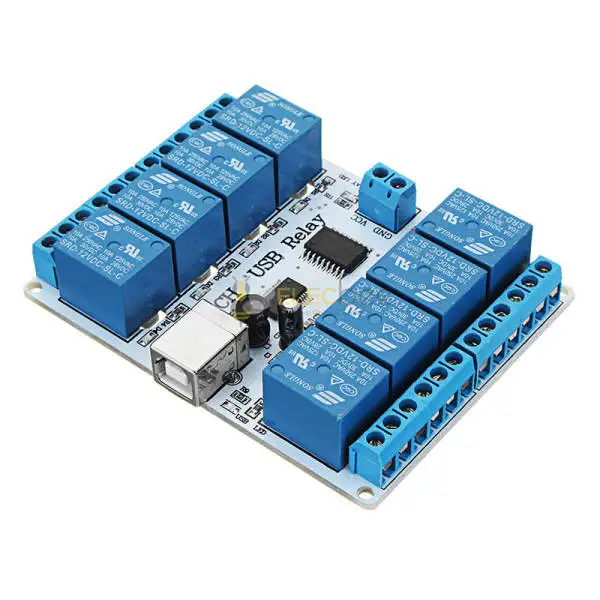
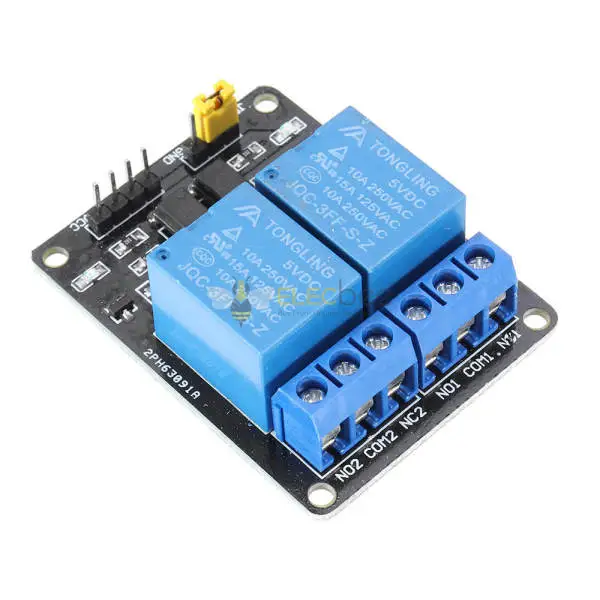
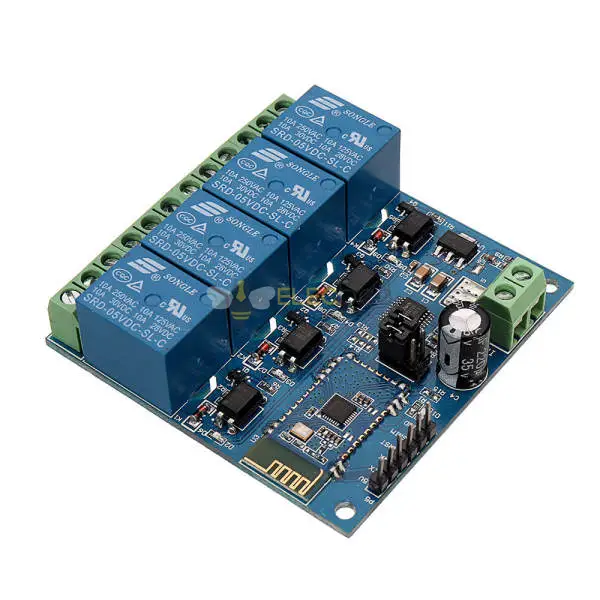
Mechanical relays use an electromagnet to physically move contacts and switch electrical loads. The movement of the contacts allows them to handle higher currents and voltages efficiently.
Advantages of MR
• Cost-Effective: Generally cheaper than SSRs for similar current ratings.
• Versatility: Can switch AC and DC loads and handle various configurations.
• Clear Feedback: The audible click provides a simple indication of operation.
• High Current Capability: Suitable for heavy-duty industrial applications.
Limitations and Considerations
• Mechanical Wear: Contacts can degrade or weld over time.
• Slower Switching: Not suitable for high-frequency switching applications.
• Inductance Issues: Coil inductance may require careful circuit design to prevent voltage spikes.

4. SSR vs Mechanical Relay: Detailed Comparison
Power Consumption and Efficiency
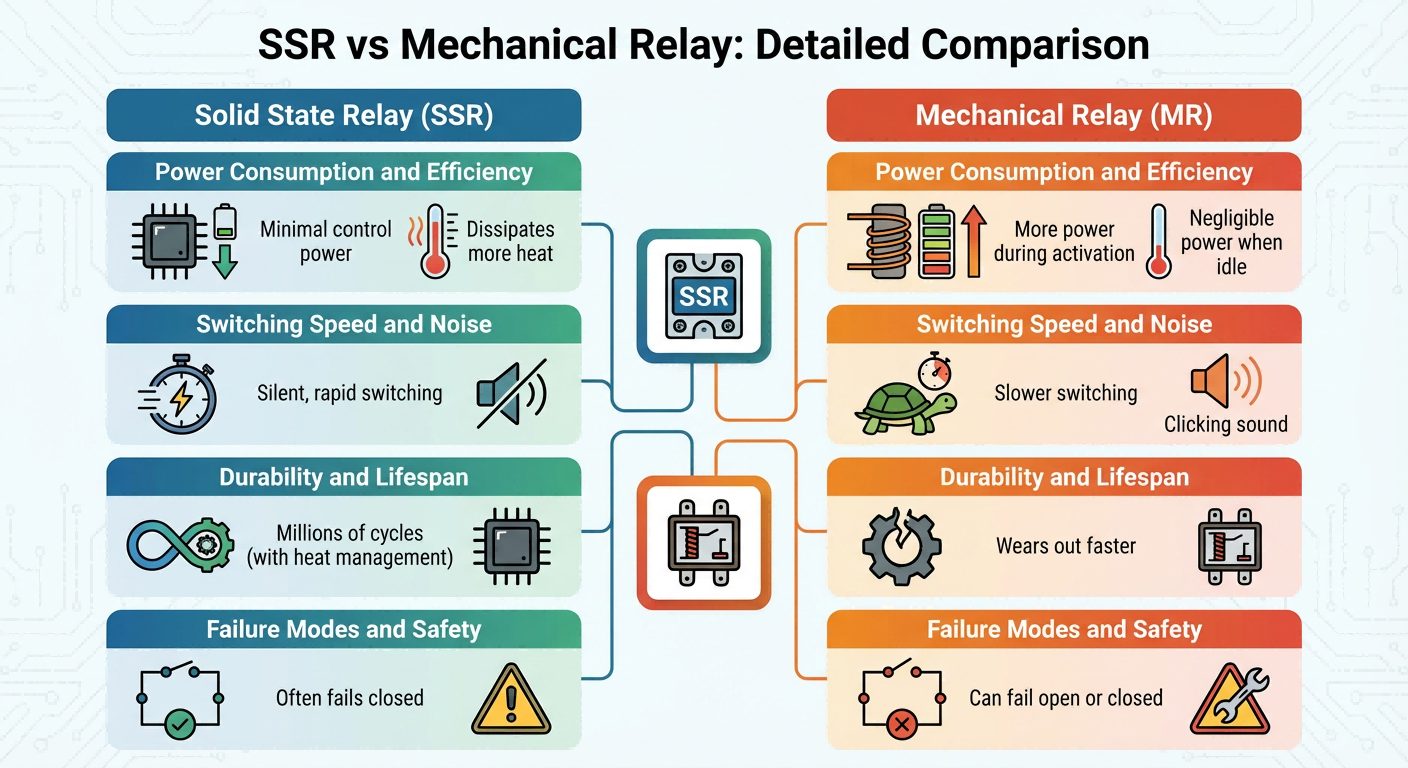
SSRs consume minimal power for control and can switch quickly, but they may dissipate more heat during operation. Mechanical relays draw more power during activation but negligible power when idle.
Switching Speed and Noise
SSRs offer silent and rapid switching, ideal for precision applications. Mechanical relays are slower and produce a clicking sound, which can be beneficial for audible confirmation.
Durability and Lifespan
SSRs can theoretically last millions of cycles without failure, provided heat is managed. Mechanical relays may wear out faster due to moving parts but are robust for high-current and long-term applications.
Failure Modes and Safety Implications
Mechanical relays can fail open or closed depending on design, whereas SSRs often fail closed. Safety-critical systems may require hybrid solutions or redundant circuits to mitigate risks.
5. Applications and Use Cases
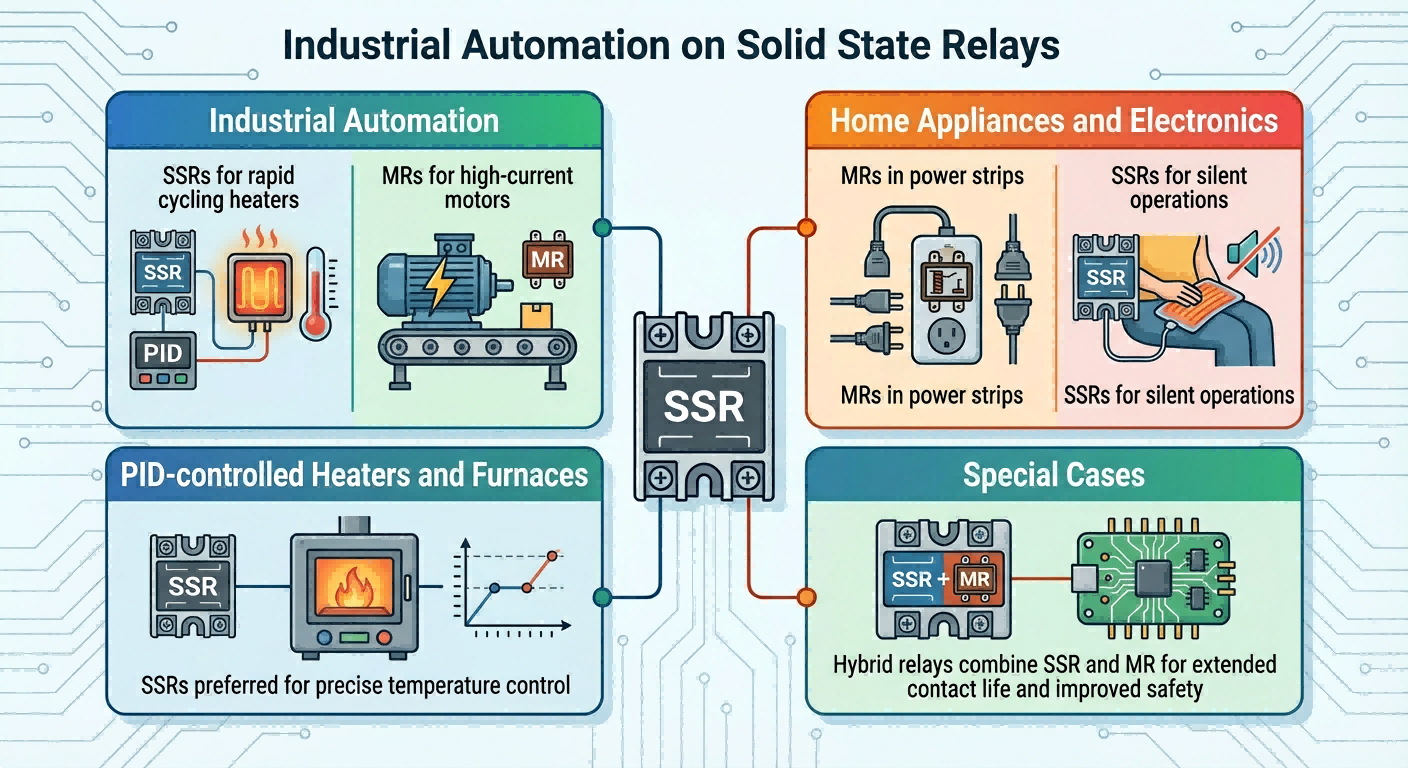
• Industrial Automation: SSRs for rapid cycling heaters, MRs for high-current motors.
• Home Appliances and Electronics: MRs in power strips, SSRs for silent operations like heating pads.
• PID-controlled Heaters and Furnaces: SSRs preferred for precise temperature control with frequent switching.
• Special Cases: Hybrid relays combine SSR and MR for extended contact life and improved safety.
6. How to Choose the Right Relay
• Load Type: Consider resistive vs inductive loads.
• Switching Frequency: SSRs for rapid cycles, MRs for occasional switching.
• Isolation and Safety: Use mechanical disconnects with SSRs for maintenance.
• Redundancy: Consider hybrid systems or backup relays for safety-critical applications.
• Cost vs Performance: Balance budget with desired longevity, noise, and control precision.
7. Conclusion and Recommendations
Choosing between a solid state relay and a mechanical relay depends on your application needs. SSRs excel in high-speed, silent, low-power scenarios, while mechanical relays offer versatility, higher current handling, and audible feedback. In critical applications, hybrid solutions may provide the best of both worlds. Always evaluate load type, switching frequency, and safety requirements before making a selection.
By understanding the strengths and limitations of each relay type, engineers and hobbyists can optimize performance, ensure safety, and extend the lifespan of their electronic systems.