

In modern marine electronic systems, NMEA 2000 has become an almost indispensable standard. From small recreational boats to large yachts, an increasing number of boat owners are discovering that through the NMEA 2000 network, they can seamlessly connect various electronic devices, enabling data sharing and centralized control. So, why has NMEA 2000 stood out among numerous maritime protocols? This article combines industry practice cases and practical application experience to provide you with a comprehensive analysis.
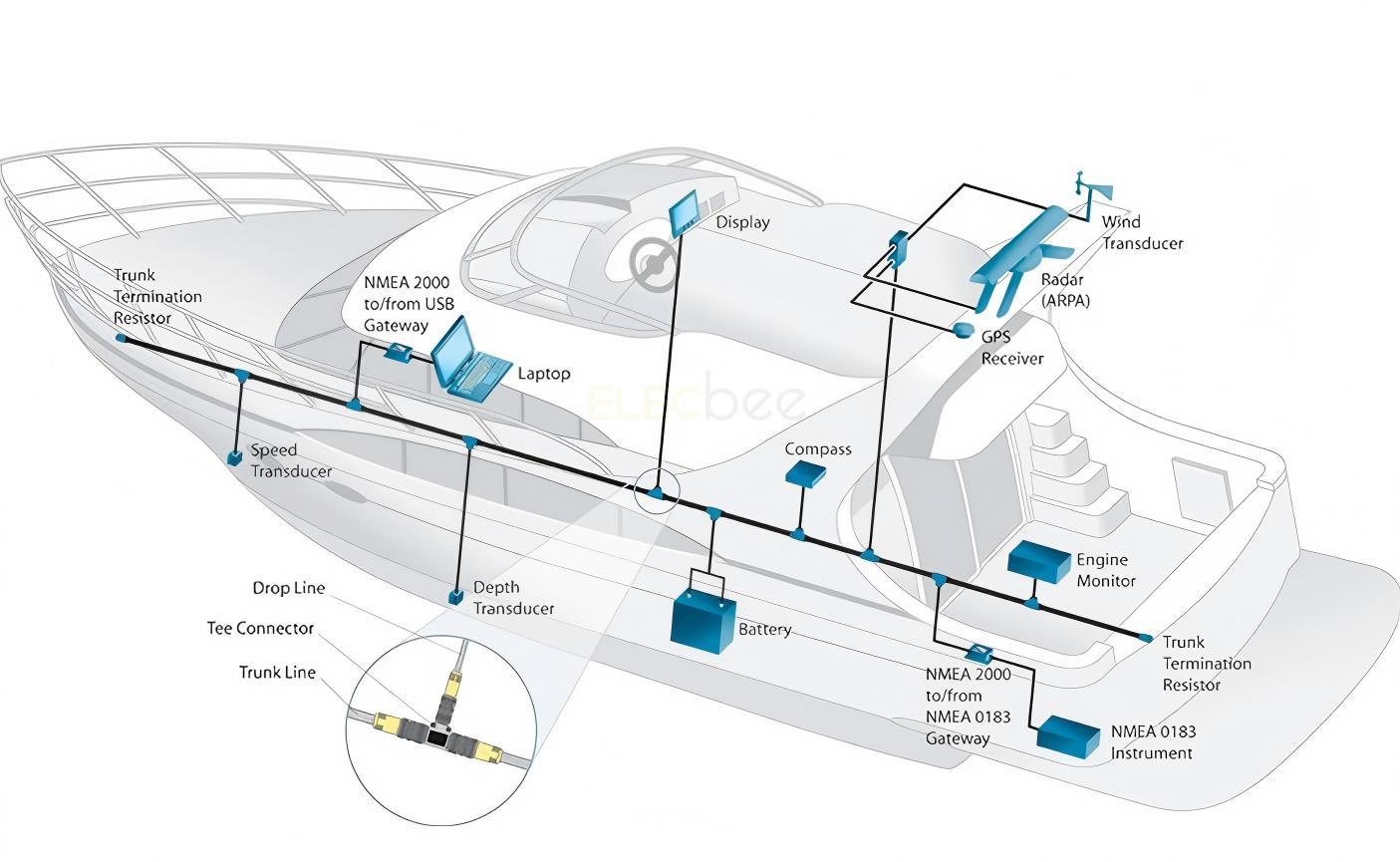
1.What is NMEA 2000?
NMEA 2000 (National Marine Electronics Association 2000) is a communication standard for marine electronic devices based on the CAN bus technology used in the automotive industry. Its predecessor, NMEA 0183, has been in use for decades, but as marine electronic devices have become increasingly complex, the point-to-point, one-way communication mode of NMEA 0183 has proven inadequate. NMEA 2000, on the other hand, uses a bus-based network architecture to enable multi-device, multi-directional communication, allowing each device to simultaneously access data from other devices on the network.
For example, your radar can receive GPS data, your autopilot system can access wind speed, boat speed, and heading information, and you can also send distress signals via VHF—all of this is made possible by NMEA 2000's unified protocol and high-speed communication.
2.Basic Structure of the NMEA 2000 Network
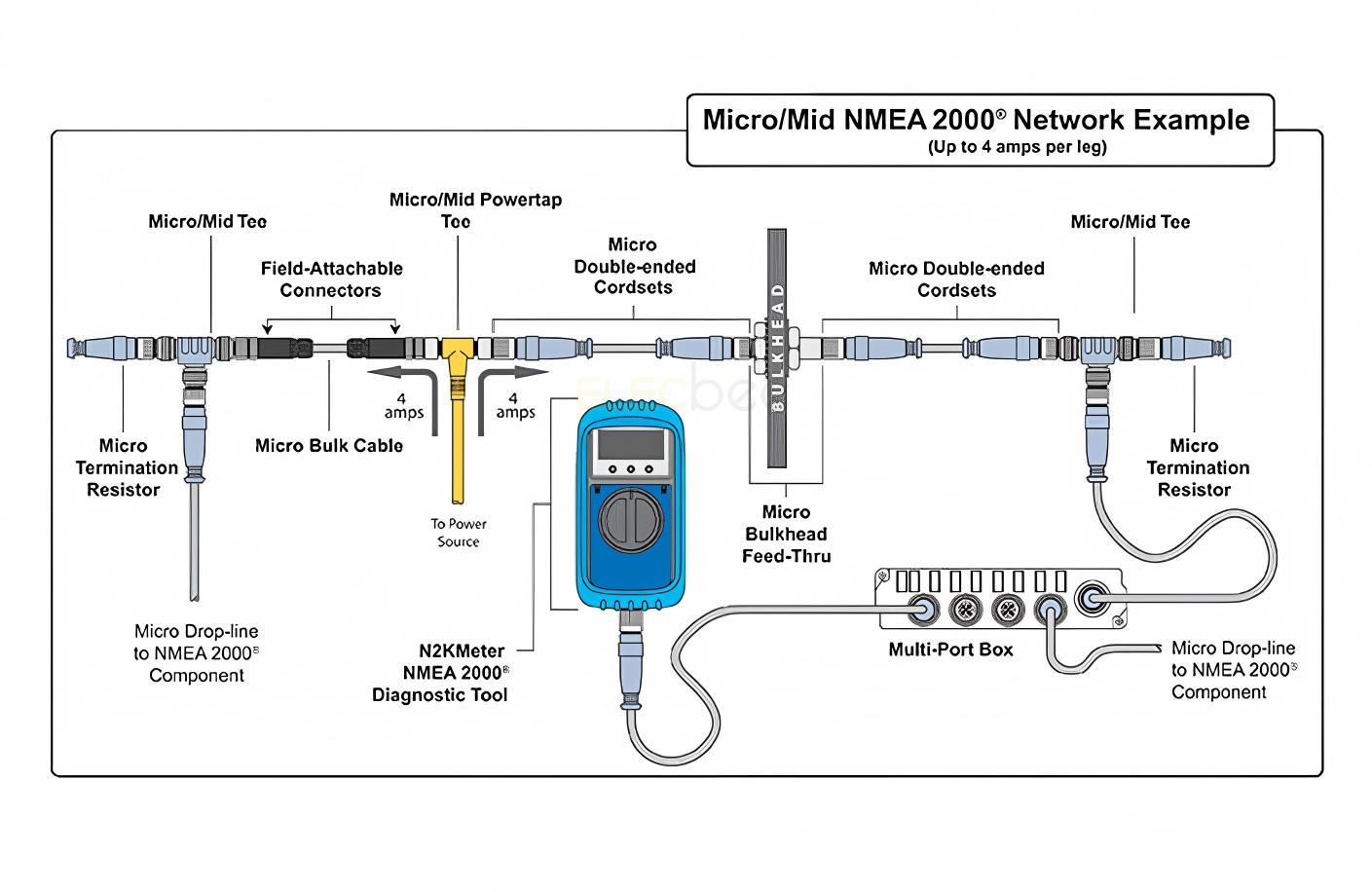
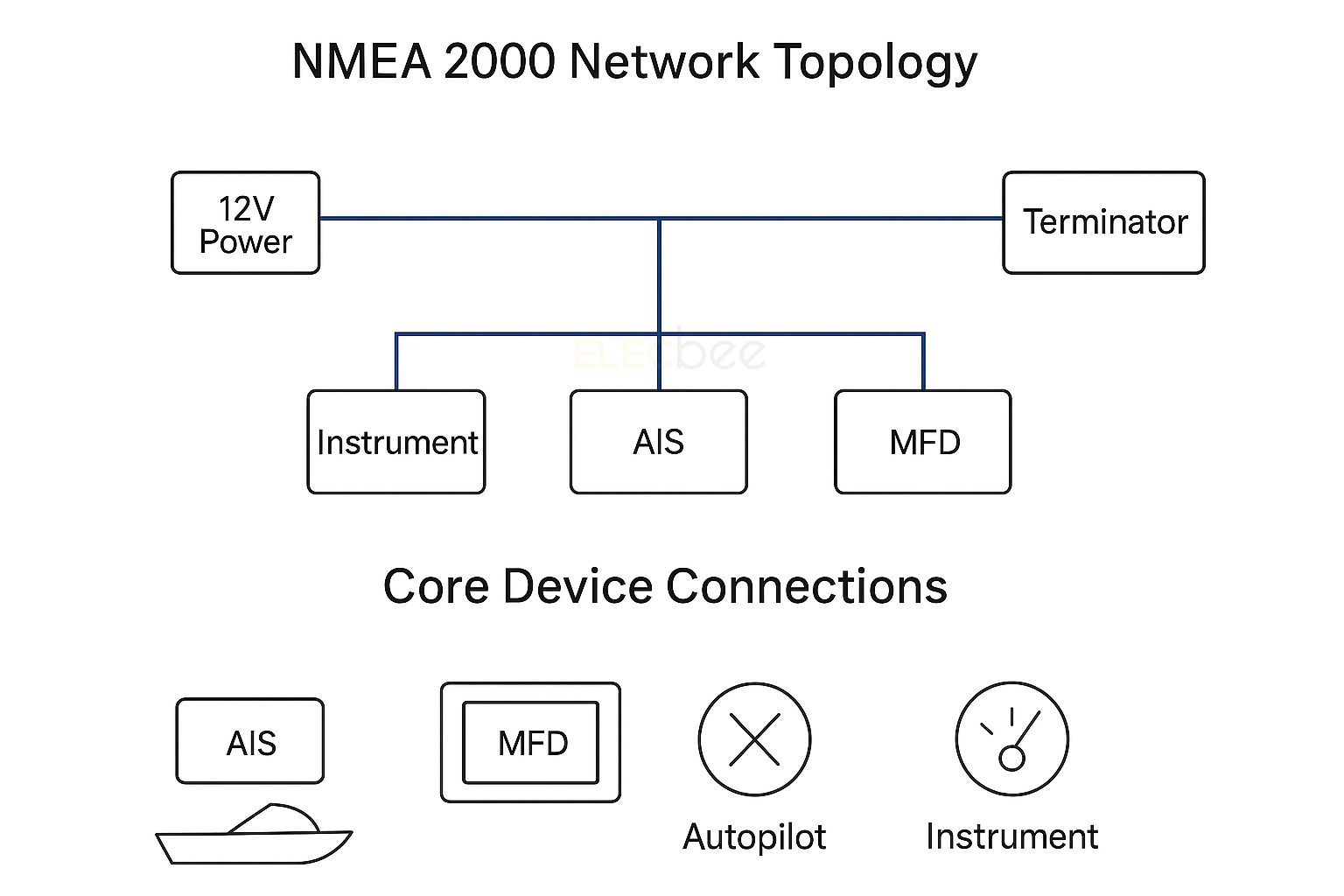
The NMEA 2000 network typically consists of the following components:
1.1. Backbone: Similar to the “nervous system” of a vessel, it carries data transmission and provides power to some low-power devices.
1.2. Drop Cable: A branch line connecting each terminal device, such as instruments, AIS, autopilot controllers, etc.
1.3. Terminator: Ensures signal stability and is typically installed at both ends of the bus.
1.4. Power Supply: NMEA 2000 provides limited power, allowing low-power devices such as GPS antennas or small displays to be directly powered. However, high-power devices like AIS or chartplotters typically require independent power sources.
Most devices have their own power supply, which is then connected to the NMEA 2000 port, resulting in a more stable system. If designed properly, the NMEA 2000 network can cover all electronic equipment on the vessel, enabling centralized data management.
3.NMEA 2000 in Practice
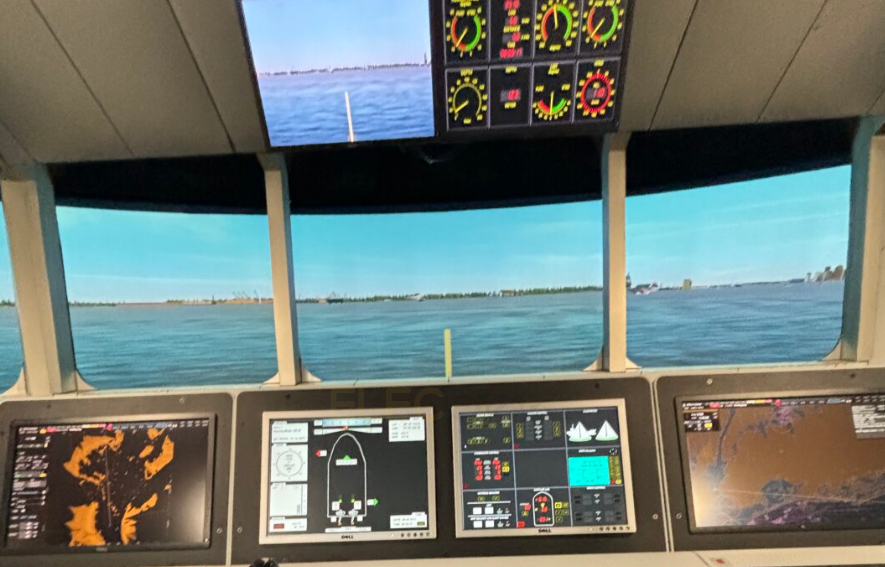
3.1.Integration of Instruments and Displays
Using NMEA 2000, you can consolidate various instrument data from your vessel into a single display screen. By using an Actisense EMU-1 or other analog-to-digital converter, you can convert data from traditional analog instruments into digital signals for use on an MFD (Multi-Function Display). This means that even if you retain older-style oil pressure or temperature gauges, you can still display their data synchronously on a modern MFD, achieving instrument upgrades without replacing hardware.
Similarly, Garmin's GPSMAP series, AXIOM 9 Pro RVX, and other MFDs also support NMEA 2000, enabling the display of data such as AIS, wind speed, depth, and boat speed. Additionally, auxiliary devices like cabin lights or pump systems on the LCD screen can be controlled via the network.
3.2.Marine Autopilot and Navigation
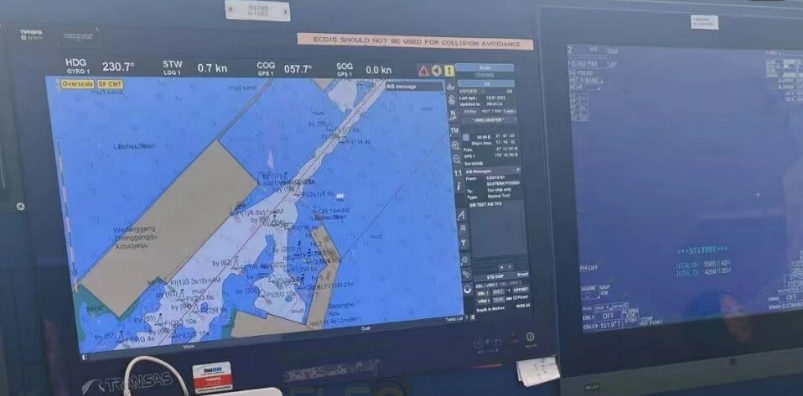
The NMEA 2000 network enables the autopilot system to directly access information such as GPS, heading, speed, and wind direction, enabling intelligent route planning. For example, a user shared that his fishing motor (Rhodan Trolling Motor) can be linked with the chartplotter to automatically follow a pre-set route. This functionality relies on the high-speed, stable data transmission of the NMEA 2000 network.
Additionally, WiFi gateways and Ethernet expansion modules can upload NMEA 2000 data in real-time to tablets or smartphones, allowing boat owners to monitor vessel status at any time, even when away from the cockpit, and stay informed about critical data.
3.3.Multi-device connectivity
NMEA 2000 not only supports core navigation equipment on vessels but can also connect to entertainment systems and auxiliary devices. Some users have used NMEA 2000 to link RGBW LED lights with an MFD for cabin lighting control; AIS, VHF, and battery SOC status can also be simultaneously transmitted to the display, enabling vessel owners to monitor comprehensive information.
Even UHF communication devices can share basic status information over the network to assist with navigation and communication management. While this is not the primary focus, compatibility with NMEA 2000 makes the entire vessel's electronic system smarter and more unified.
Recommended Product: 433MHz Radio Magnetic 3dBi Antenna with UHF Male Connector
4.NMEA Connector: The Key to Network Stability
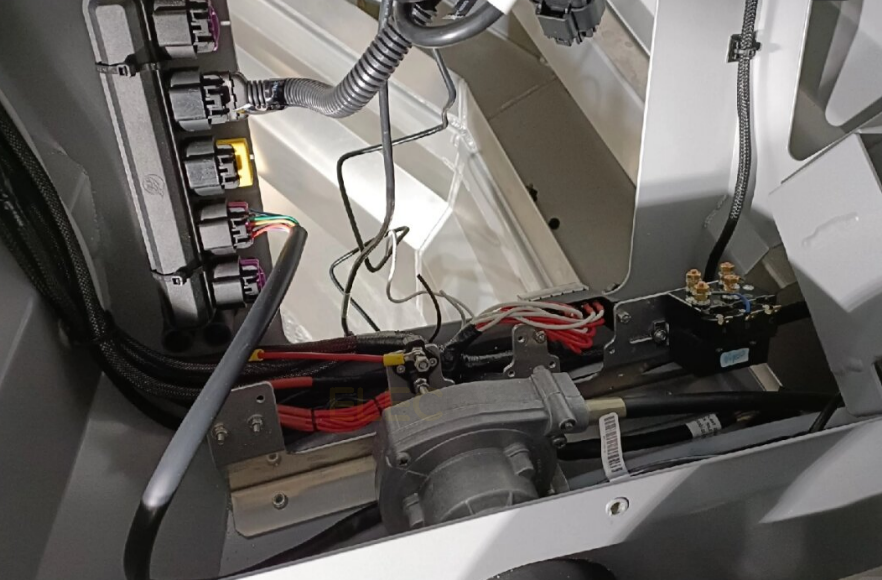
When building and maintaining an NMEA 2000 network, the NMEA connector is an indispensable basic component. It is responsible for securely and reliably connecting the main line, branch lines, and various marine electronic devices, ensuring that data transmission and power supply are not interrupted.
4.1.Functions and Importance
• Establishes the physical connection for a bus-type network
• Ensures stable signal transmission and prevents data packet loss
• Supports multi-device expansion and modular layout
• Even if the network design is well-planned, poor-quality or loose connectors can lead to intermittent data issues throughout the system.
4.2.Selecting the appropriate NMEA connector
• Compatibility: NMEA 2000 device connectors are standardized, but there are slight differences between T-connectors, extension cables, and terminal resistor interfaces from different brands. It is recommended to use the same brand or officially certified products.
• Material and Durability: Marine environments are humid and prone to salt fog, so connectors should be waterproof and corrosion-resistant. High-quality NMEA connectors typically use weather-resistant plastic and gold-plated contacts to ensure long-term stable use.
• Usability: Easy to plug and unplug and route, reducing installation difficulty while supporting future network expansion.
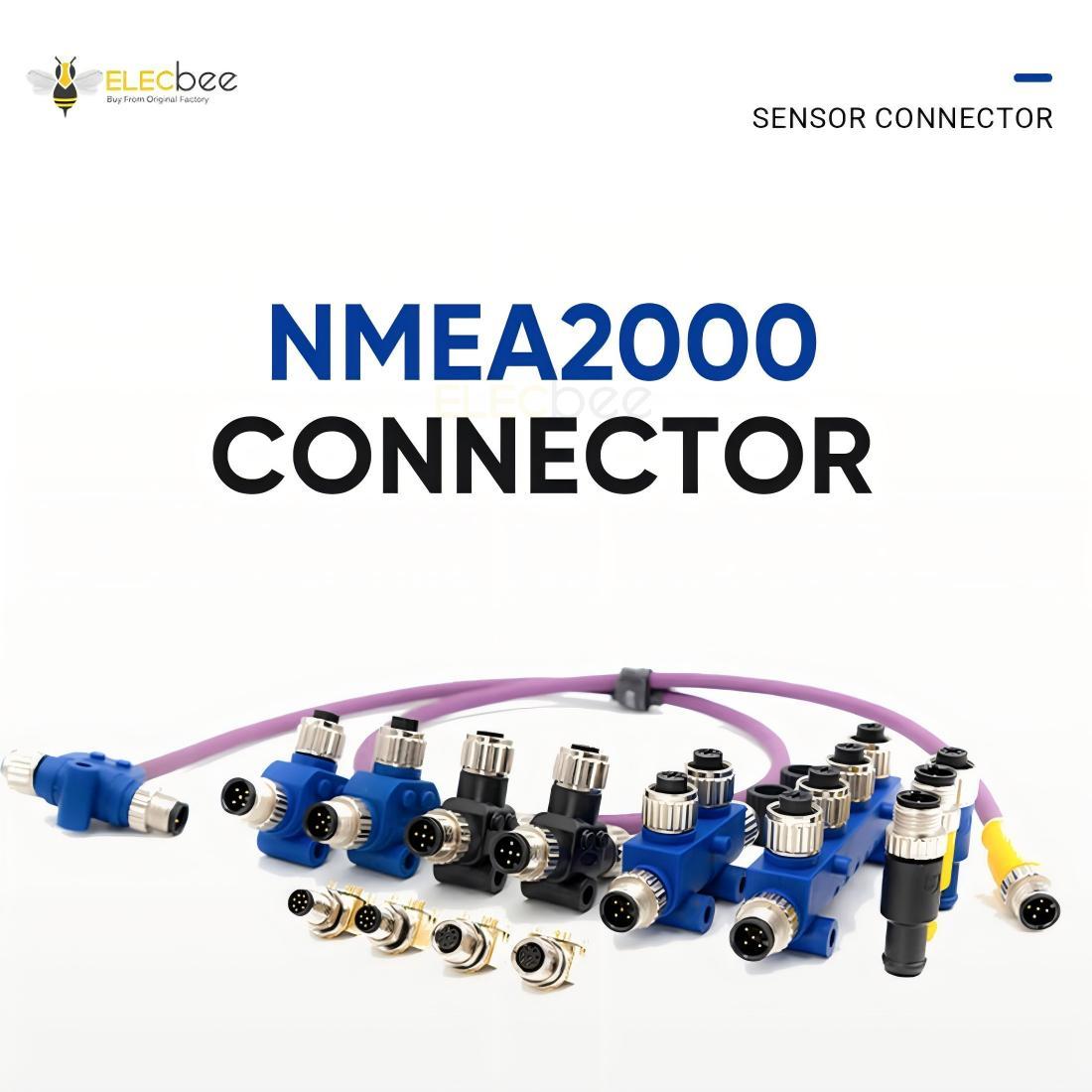
To make your NMEA 2000 network more stable and reliable, check out our NMEA 2000 Connector. This connector is compatible with a wide range of marine electronics, supports quick networking and modular expansion, and is perfect for small boats to big yachts.
5.Why is NMEA 2000 still the mainstream?
In recent years, the industry has attempted to introduce Ethernet-based Onenet systems or other high-speed protocols, but NMEA 2000 still dominates the market. There are three main reasons for this:
5.1. Strong device compatibility
Most marine electronic devices still use the NMEA 2000 protocol, so even if you use Simrad, Raymarine, or Garmin devices, you can easily connect to the network.
5.2. Stable and reliable
The bus-type architecture and terminal resistor design of NMEA 2000 ensure stable network operation over long distances and with multiple devices. Even with multiple MFDs, high-power sensors, and AIS devices on board, the network can operate smoothly with proper cabling.
5.3. Strong upgrade and scalability
By adding converters and gateways, older vessel systems can be gradually upgraded. For example, you can add an NMEA 2000 gateway to an existing SeaTalk or NMEA 0183 system to achieve gradual digital transformation.
Comparison of NMEA 0183 and NMEA 2000 in terms of network efficiency and scalability:
|
Metric |
NMEA 0183 |
NMEA 2000 |
|
Data Rate |
4800bps (Low) |
250kbps (High) |
|
Communication |
Point-to-point, one-to-many |
Multi-node bus, many-to-many |
|
Data Format |
ASCII, redundant |
Binary PGN, efficient |
|
Network Efficiency |
Low, suitable only for small data |
High, supports simultaneous multi-source data |
|
Scalability |
Poor, requires splitters, complex wiring |
Strong, bus topology, plug-and-play support |
|
Typical Application |
GPS → Speed log / Autopilot |
Full vessel network (AIS, radar, engine, sensors, etc.) |
6.Frequently Asked Questions and Important Notes
6.1. Power Supply Issues
The NMEA 2000 network can provide power to low-power devices, but high-power devices still require an independent power source. It is recommended to distribute power sources along the main trunk line during network design and use fuses for protection.
6.2. Converter Selection
For analog instruments or legacy system devices, selecting the appropriate analog-to-digital signal converter is critical. Each converter has a limited number of input/output ports, so configuration should be based on the number of instruments.
6.3. Brand Compatibility
T-connectors and connectors from different manufacturers may have minor differences. It is best to use components from the same brand during installation to prevent interface misalignment or signal interference.
6.4. Network Topology Design
For large vessels or systems with multiple MFDs, parallel networks or dedicated subnets may be required to prevent bus data overload.
6.5. Troubleshooting
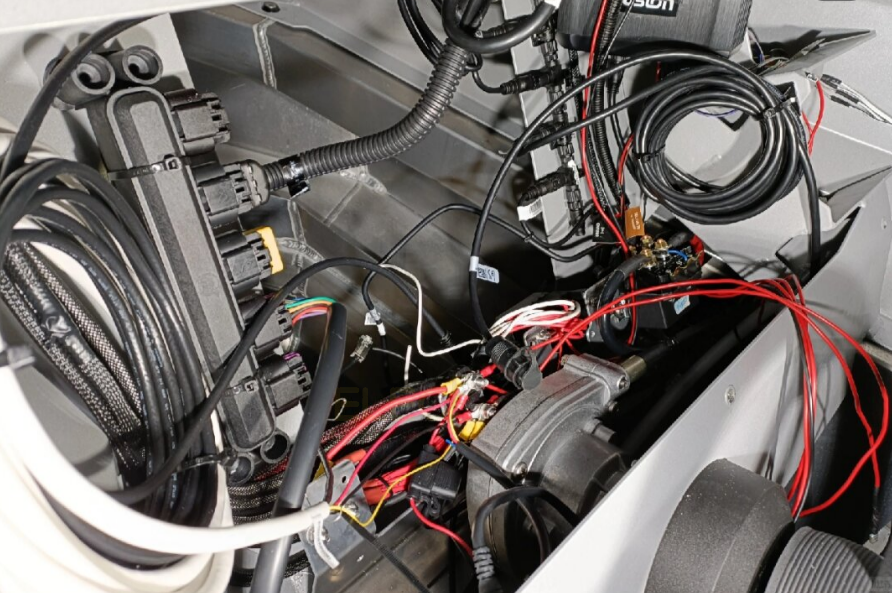
When NMEA 2000 networks experience data packet loss or device disconnections, first check the terminal resistors at both ends of the backbone. The normal value should be approximately 60Ω. If the measurement is 120Ω, it indicates a missing terminal resistor; if it is approximately 40Ω, it may indicate an excessive number of terminal resistors installed. Simultaneously verify that the power supply voltage (9–16V) is stable, that the drop cable is not excessively long or damaged, and that the connectors are not waterlogged or making poor contact. Troubleshoot systematically to pinpoint the issue.
7.Summary
From technical discussions in industry communities to real-world application feedback, the advantages of NMEA 2000 are clear:
• High compatibility with multi-vendor devices
• Real-time communication and centralized control across multiple devices
• Strong scalability, supporting upgrades and retrofits
• Stable network architecture, reducing the risk of failures
Whether you own a high-end yacht with an AXIOM 9 Pro RVX or a small fishing boat, NMEA 2000 enables your marine electronics to achieve intelligent connectivity, making navigation safer, more efficient, and more enjoyable. Even as Ethernet or higher-speed protocols gradually emerge in the future, NMEA 2000 remains the core nervous system of modern vessels and will not be replaced in the short term.
If you are considering upgrading your vessel's electronic systems or integrating older equipment into a modern digital network, selecting high-quality NMEA 2000 connectors is the first critical step toward building a stable and reliable network. By understanding its architecture and paying attention to power supply and converter configurations, you can fully leverage the potential of NMEA 2000 and elevate your vessel's electronic experience to a new level.