

In modern homes and workplaces, extension cables are virtually indispensable tools. Whether powering generators during emergencies, setting up temporary solar systems, or wiring computers and UPS units, extension cables play a crucial role in ensuring safe power delivery and flexible layout.However, incorrect selection and usage may result in voltage loss, equipment failure, or even fire hazards.This article will delve into the selection and application of extension cable from multiple perspectives, providing you with a comprehensive and practical guide.
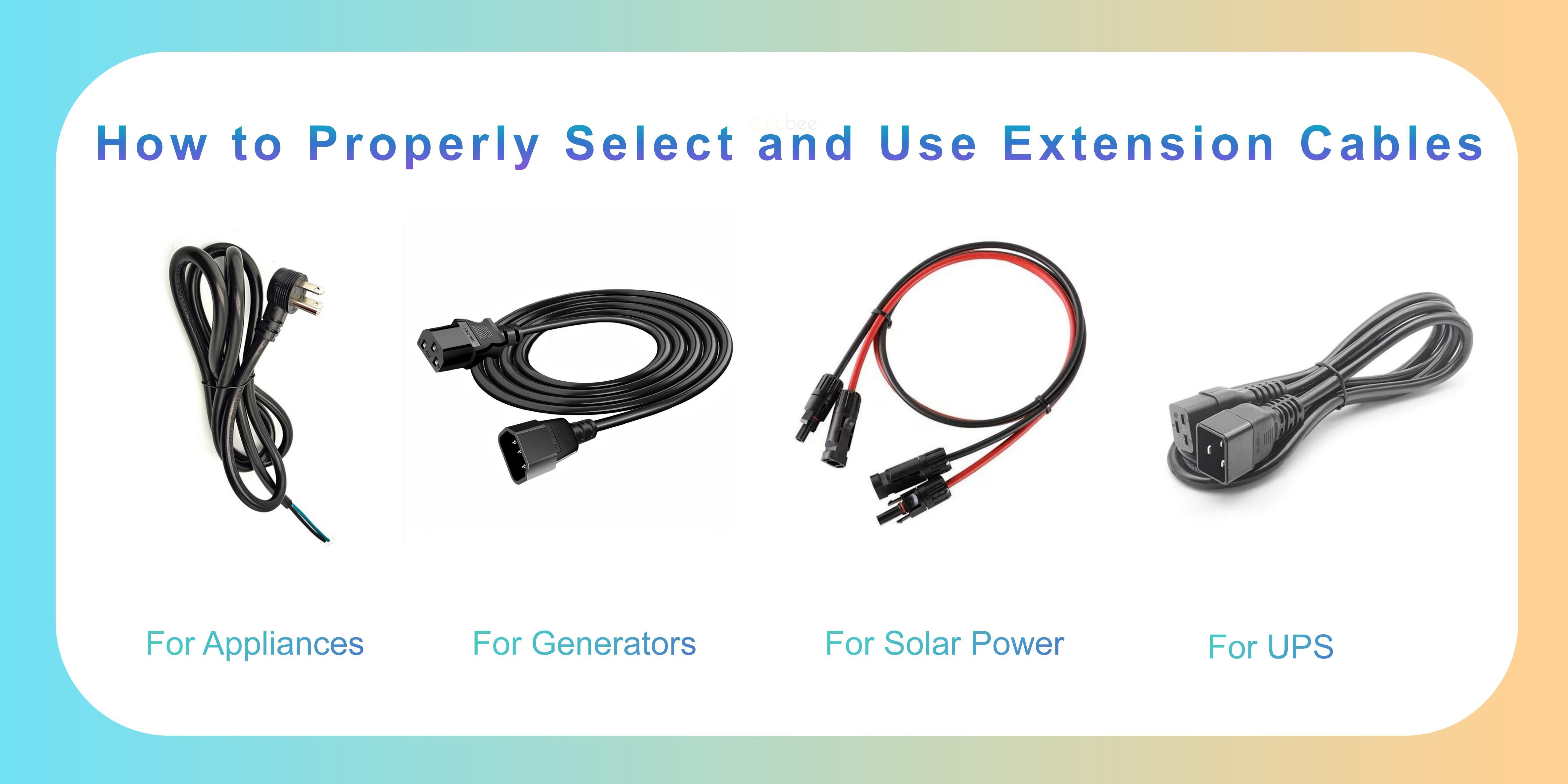
1.Core Parameters of Extension Cable: Essential Knowledge You Must Understand
Before selecting an extension cable, several key factors must be clarified:
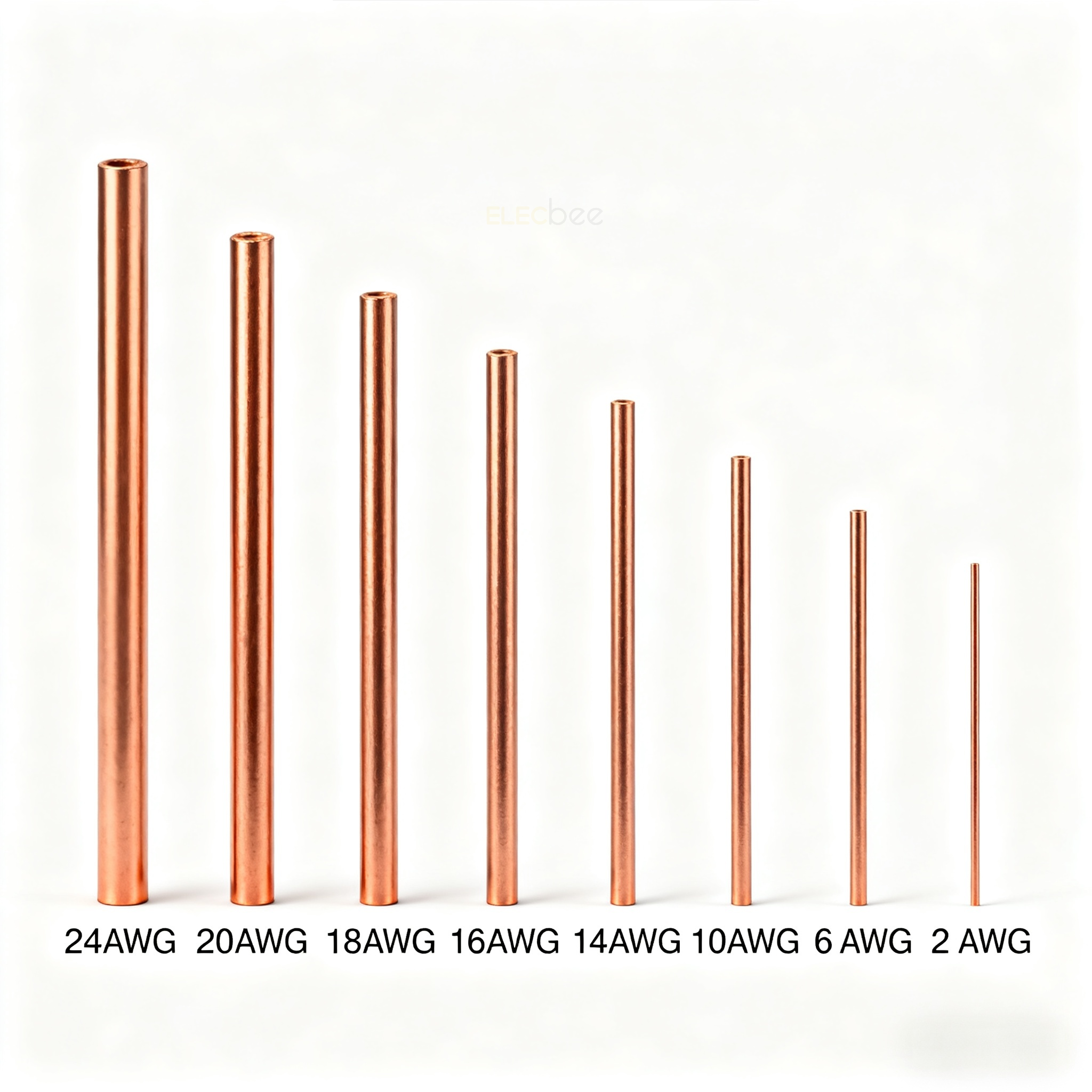
1.1 Wire Gauge (AWG)
The lower the AWG number, the thicker the wire and the greater the current it can carry.
Common standards: 14 AWG (suitable for standard low-power appliances), 12 AWG (suitable for most appliances and medium-power equipment), 10 AWG (suitable for generators, high-power tools, or long-distance transmission).
1.2 Rated Current and Voltage
Household outlets are typically rated at 120V/15A (U.S. standard) , 230V/16A(European standard) or 220V/10A/16A (most other countries).
1.3 Voltage Drop
The longer the extension cable, the greater the voltage drop, especially when starting high-power appliances (such as refrigerator compressors).
It is generally recommended that the voltage drop be ≤5%, ideally kept within 2–3%.This is particularly critical for sensitive electronics and high inrush-current devices.
1.4 Outer Sheath Material and Protection Rating
For outdoor use, select waterproof and UV-resistant cables (such as SJTW or SOOW certified).
For indoor use, a flexible and easy-to-store standard extension cable may be chosen.
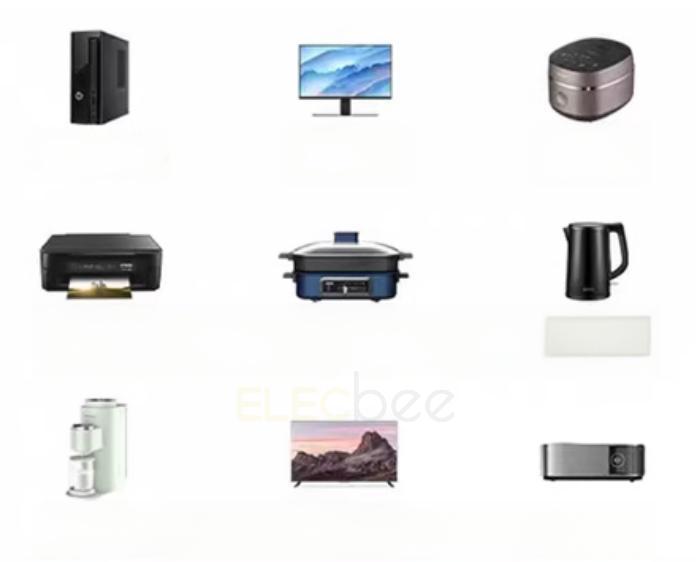
2.Home Appliances and Extension Cables: Proper Connection Methods for Refrigerators, Freezers, and Other Appliances
Many people use generators with extension cables to power refrigerators and freezers during power outages. These appliances are characterized by:
a.High starting current: The compressor may draw 6–8 times its rated power during instantaneous startup.
b.Low operating power: Typically only 100–300W.
Recommendations:
a.For refrigerators and freezers, use an extension cable rated at 12 AWG or thicker.
b.Keep the length as short as possible—opt for a 50-foot cable instead of a 100-foot one if feasible.
c.Avoid daisy-chaining power strips or plugging high-power appliances into basic power strips, as high contact resistance may cause overheating.
d.If multiple appliances need to be plugged in simultaneously, prioritize distributing high-power devices across different extension cables.
Risk Points:
Using substandard thin wires (16 AWG or even 18 AWG) for prolonged power supply may cause excessive voltage drop, leading to frequent compressor startup failures and shortened service life.
3.Generators and Extension Cables: Ensuring Safety and Efficiency
Many portable generators offer multiple outlets:
A.15A/20A Standard Outlet (NEMA 5-15/20R)
B.30A RV Outlet(TT-30)
C.240V Outlet (L14-30R, etc.)
Selection Tips:
A.For powering only refrigerators, fans, or lighting, a standard 12 AWG extension cable is sufficient.
B.When powering multiple high-wattage devices simultaneously, use a dedicated generator extension cable (10 AWG, 30A, with multi-outlet adapter).
C.Ensure plugs and outlets match the generator's connectors; never force connections or modify fittings.
Additional Recommendations:
A.Generators should always be placed outdoors to prevent carbon monoxide poisoning.
B.Extension cables must be rated for outdoor use, preferably with waterproof rubber sheathing.
4.Solar Systems and Extension Cables: MC4 vs XT60
When setting up portable solar power systems outdoors, extension cables determine not only power transmission efficiency but also durability. Common connectors include:
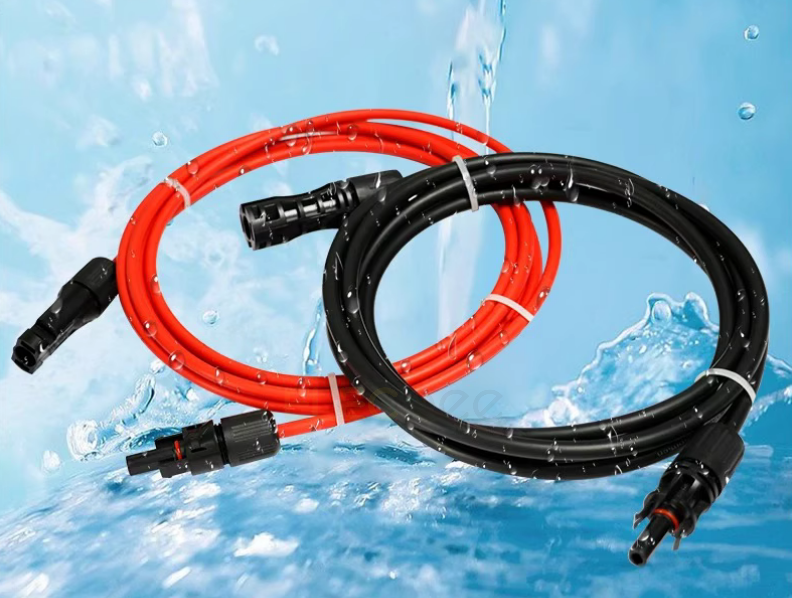
A.MC4: Specifically designed for solar panels, waterproof and dustproof, suitable for long-term outdoor use.
B.XT60: Commonly found in portable power stations, enabling quick plug-and-play connections but lacking waterproofing. XT60 is typically used in portable power stations and smaller solar setups, not recommended for permanent outdoor installation.
Recommendations:
A.For outdoor solar panel installations, prioritize MC4 extension cables to ensure long-term stability.
B.Extension cables must use sufficiently thick wire:
a.14 AWG (suitable for ≤20 feet, ≤400W systems)
b.12 AWG (suitable for 20–40 feet, medium-power systems)
c.10 AWG (suitable for ≥40 feet, high-power systems)
Minimize the number of connectors, as each additional connector increases impedance and potential failure points.
Series vs. Parallel Considerations:
A.Series: Voltage is superimposed while current remains constant, resulting in lower voltage loss and higher efficiency during long-distance transmission.
B.Parallel: Current is superimposed while voltage remains constant, better accommodating shading or obstruction issues.
Selection should be based on site conditions:
- If a panel may be shaded, parallel connection is recommended.
- If the site is open with no shading, series connection is recommended to minimize voltage drop.
5.UPS and Extension Cables: Risks and Best Practices
Uninterruptible power supplies (UPS) are common in IT offices and home computing environments, but should they be connected to extension cables?
Not Recommended Practices:
A.Connecting the UPS to an extension cable before plugging it into the wall: Increases resistance, potentially causing the UPS to misread voltage and affecting its switching and voltage stabilization functions.
B.Connecting the UPS to a low-quality power strip: Severely weakens lightning protection and overload protection, and may even melt the cables.
Safer Practices:
A.Plug the UPS directly into a wall outlet.
B.If placement is inconvenient, extend the device's power cord instead of the UPS input cable.
C.If an extension cable is necessary, use one with a gauge thicker than the UPS cable (e.g., if the UPS uses 14 AWG, use 12 AWG or 10 AWG for the extension).
Summary:
Plugging the UPS directly into a wall outlet is the safest approach. Avoid using extension cables whenever possible.
6.Recommended Extension Cable Specifications for Different Scenarios
A.Refrigerators and Freezers (Emergency Power Supply)
12 AWG, ≤50 feet, outdoor-rated.
Use a single dedicated extension cable; do not share with other high-power appliances.
B.Portable Generators (Multi-Device Power Supply)
10 AWG, 30A dedicated extension cable with multi-outlet splitter.
Suitable for emergency home power supply and outdoor camping.
C.Portable Solar Power System (400–800W)
MC4 extension cables, 12 AWG or thicker, waterproof and UV-resistant.
Prioritize series connections to minimize voltage drop.
D.Computer + UPS System
Plug the UPS directly into the wall outlet. Use short extension cords for the computer and monitor.
Avoid connecting the UPS to low-quality power strips.

7.How to Avoid Buying Low-Quality Extension Cables
Many cheap extension cables on the market actually use CCA (copper-clad aluminum) instead of pure copper wire, which has poor conductivity and is prone to overheating. When selecting, pay attention to:
A.Check the label: It must specify 100% Copper.
B.Check the weight: Pure copper wire of the same thickness is heavier than CCA.
C.Check certifications: UL, ETL, CE, and similar certifications are more reliable.
8.Conclusion
Though small, extension cable is crucial for electrical safety and efficiency. Choosing the right gauge, length, and connectors not only ensures stable appliance operation but also prevents potential hazards.
A.For household appliances, focus on matching wire gauge and length.
B.For power generation scenarios, focus on matching power rating and plug type.
C.For solar systems, the emphasis is on outdoor protection and voltage loss control.
D.For UPS systems, the emphasis is on minimizing impedance and ensuring voltage stability.
By mastering these principles, you can select the appropriate extension cable for various scenarios, ensuring both safety and efficiency.