
 0
0
What Are M Series Sensor Connectors?
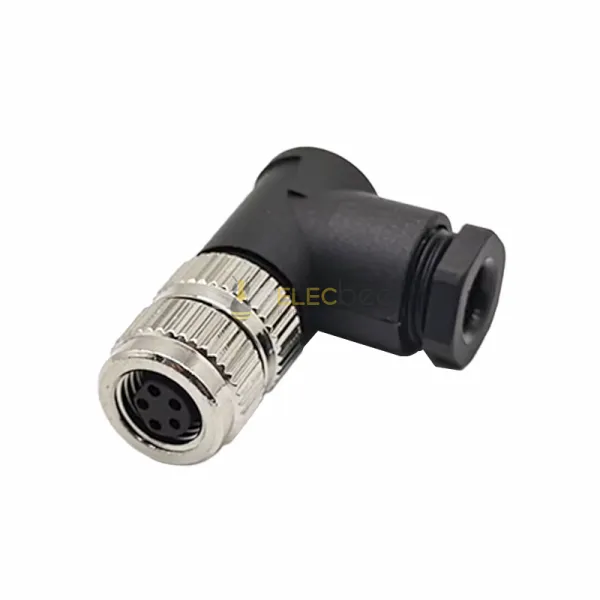
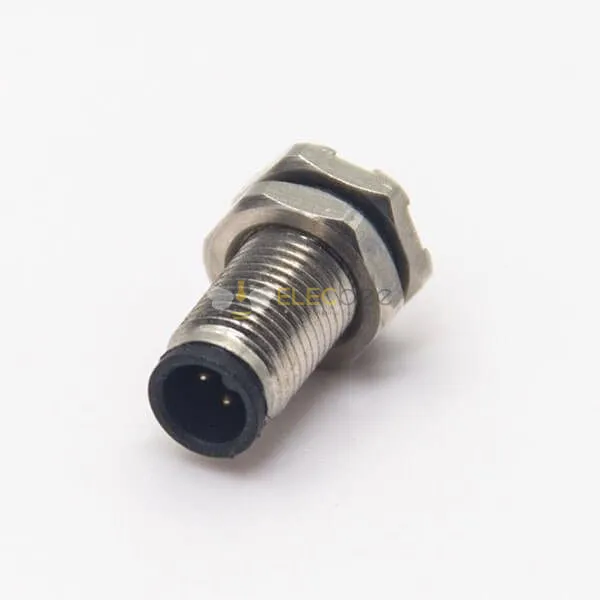
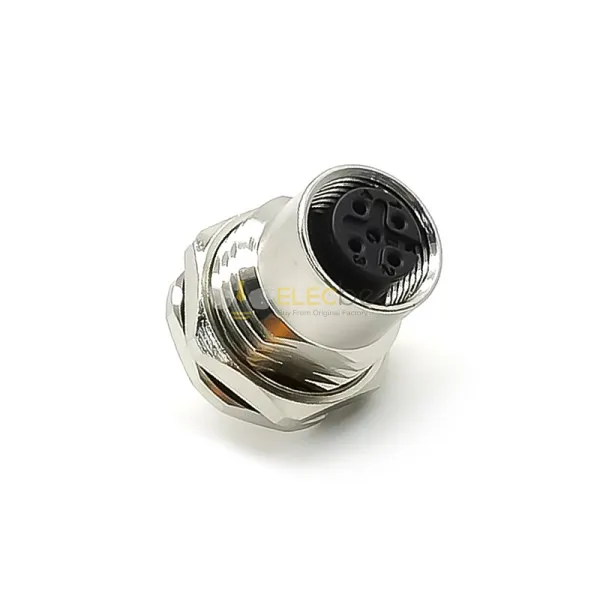
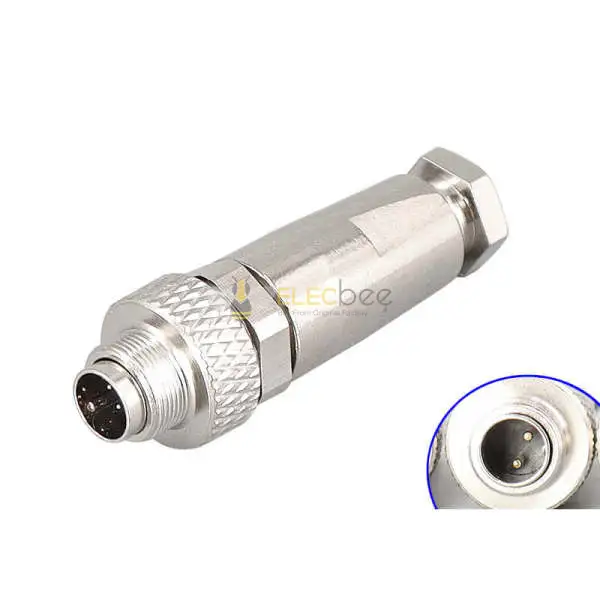
M series sensor connectors are circular connectors widely used in industrial automation, sensors, and control systems. The most common types are M8 and M12 connectors, named after their thread sizes (8 mm and 12 mm respectively).
These connectors are designed to provide secure, stable, and reliable electrical connections in demanding environments. Thanks to their standardized design, they are widely adopted across Fieldbus systems and comply with international standards such as IEC 61076-2-101/104.
As industrial systems become more complex and interconnected, M series connectors have become a critical component in ensuring signal integrity and operational reliability.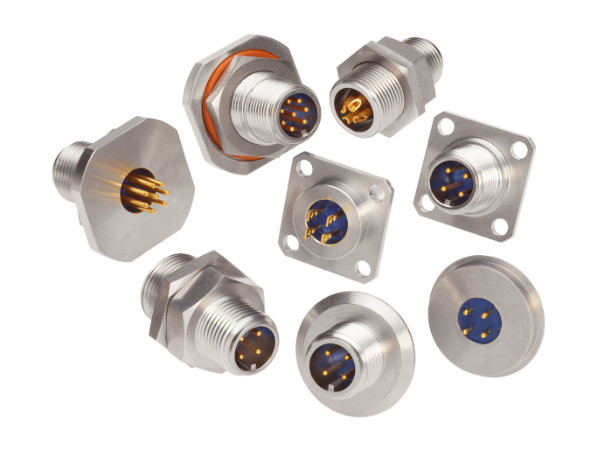
Key Features of M8 and M12 Connectors
Thread Locking Mechanism
One of the defining features of M series connectors is their threaded locking design. This ensures a secure connection that resists vibration and accidental disconnection, making them ideal for industrial machinery and automation systems.
Waterproof and IP67/IP68 Protection
M8 and M12 connectors typically offer IP67 or IP68 protection ratings, meaning they are resistant to dust, water, and moisture. This makes them suitable for use in outdoor environments or areas exposed to liquids.
Resistance to Harsh Environments
These connectors are engineered to withstand:
-
High and low temperatures
-
Oil and chemical exposure
-
Mechanical stress and vibration
This durability ensures long-term performance even in harsh industrial environments.
M8 vs M12 Connectors: What’s the Difference?
Size and Thread Specifications
-
M8 connectors: 8 mm thread diameter, compact size
-
M12 connectors: 12 mm thread diameter, more robust design
The size difference directly impacts their electrical capacity and application scope.
Typical Applications
-
M8 connectors are typically used in small sensors and compact devices
-
M12 connectors are widely used in industrial automation, robotics, and Fieldbus systems
Cable and Material Options (PVC vs PUR)
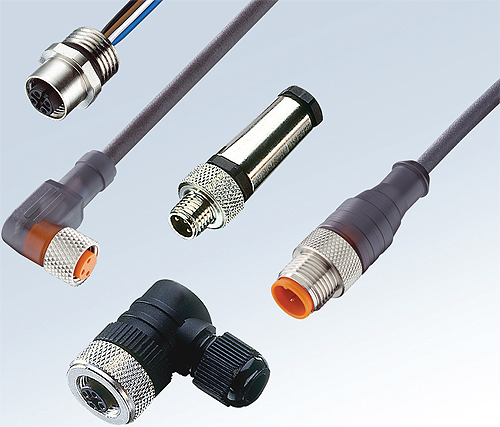
M series connectors can be supplied with or without cables. Common cable materials include:
-
PVC: Cost-effective, suitable for general use
-
PUR: Oil-resistant, abrasion-resistant, ideal for industrial environments
Cable length can also be customized to meet specific application requirements.
Common Applications of M Series Connectors
Industrial Automation and Robotics
M12 connectors are widely used in automation systems, including robots, conveyor systems, and control units, ensuring stable signal transmission.
Sensors and Instrumentation
M8 connectors are commonly found in sensor networks, testing instruments, and measurement devices, where compact size is critical.
Outdoor and Harsh Environment Applications
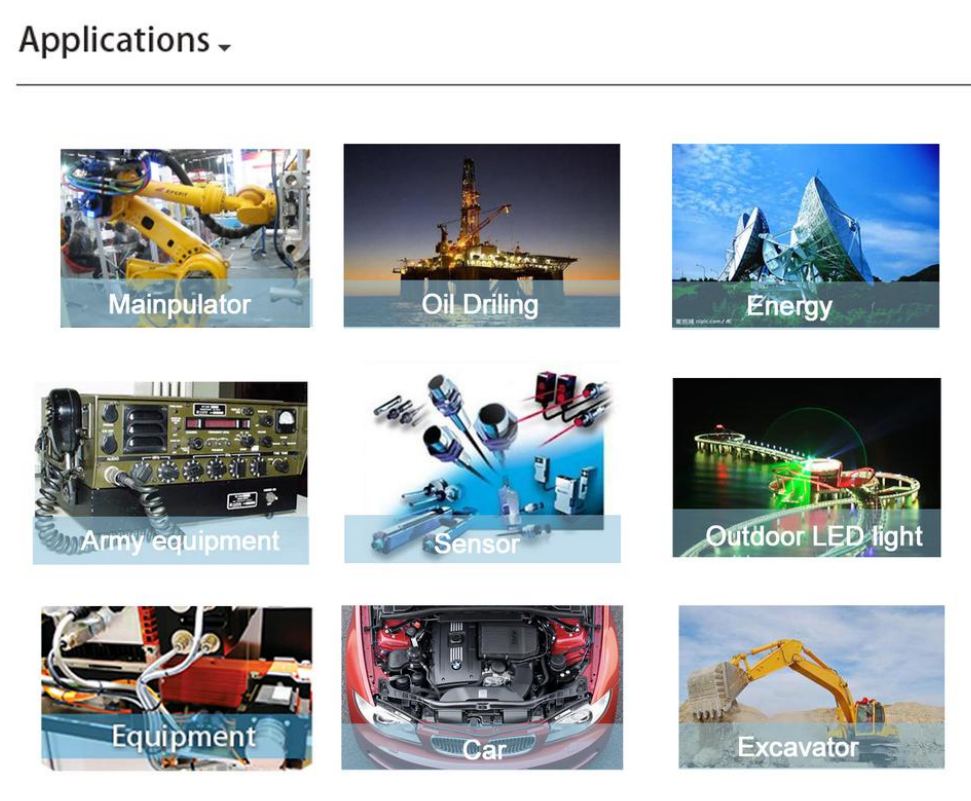
Thanks to their waterproof and rugged design, M series connectors are used in:
-
Outdoor LED lighting systems
-
Marine equipment
-
Automotive manufacturing
-
Oil and gas exploration
How to Choose the Right M Series Connector
Environmental Considerations
Choose connectors with appropriate IP ratings based on exposure to dust, water, or chemicals. For harsh environments, IP68 and PUR cables are recommended.
Electrical and Mechanical Requirements
Consider voltage, current, and pin configuration. M12 connectors typically support higher power and more complex connections than M8.
Custom Cable Options
Many suppliers offer custom cable assemblies, allowing you to select:
-
Cable length
-
Material type
-
Connector configuration
This flexibility helps optimize installation and system performance.
Why M Series Connectors Are Essential in Modern Industry
M series sensor connectors have become a global standard due to their reliability, durability, and versatility. Whether used in automation, sensors, or outdoor systems, they provide consistent performance in challenging conditions.
As industries continue to evolve toward smart manufacturing and IoT integration, the demand for robust and standardized connectors like M8 and M12 will only continue to grow.
In the next post, we will talk more about the difference between M8 and M12.