
 0
0
When choosing circular connectors for your project, GX12 and GX16 are two of the most common options. Though they look similar, they differ in size, pin configuration, and current capacity. This guide breaks down everything you need to know — from specifications and applications to choosing the right connector for your setup.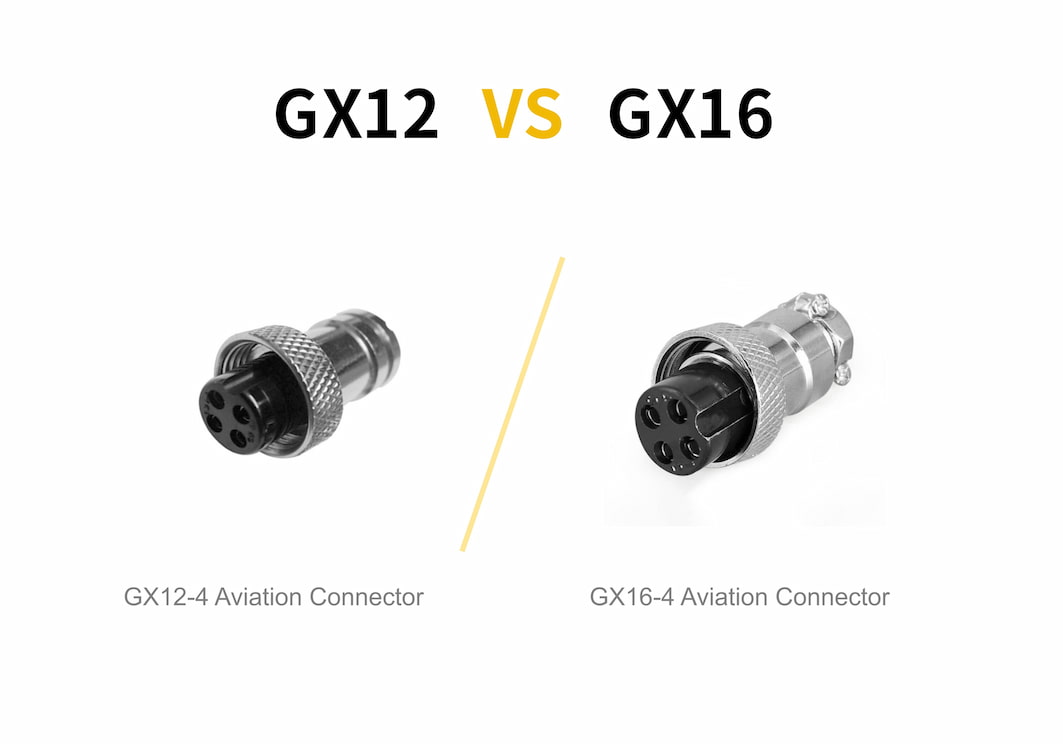
1. What Are GX12 and GX16 Connectors?
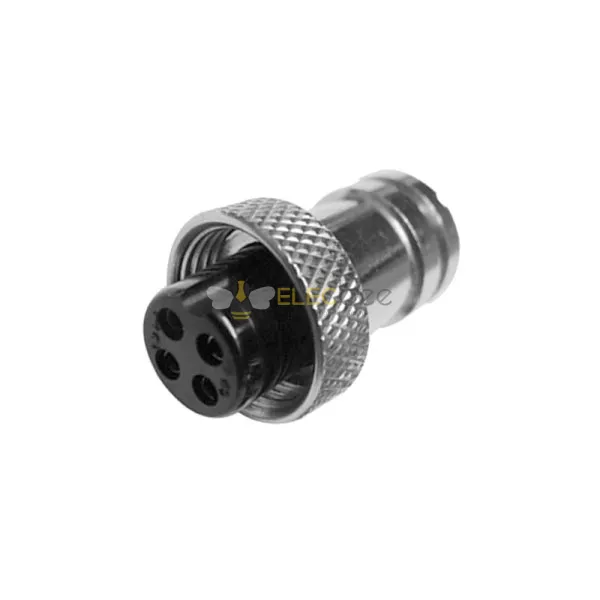
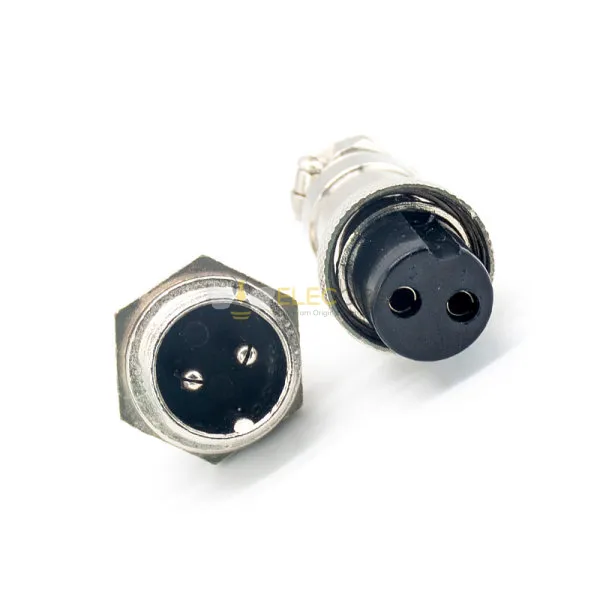
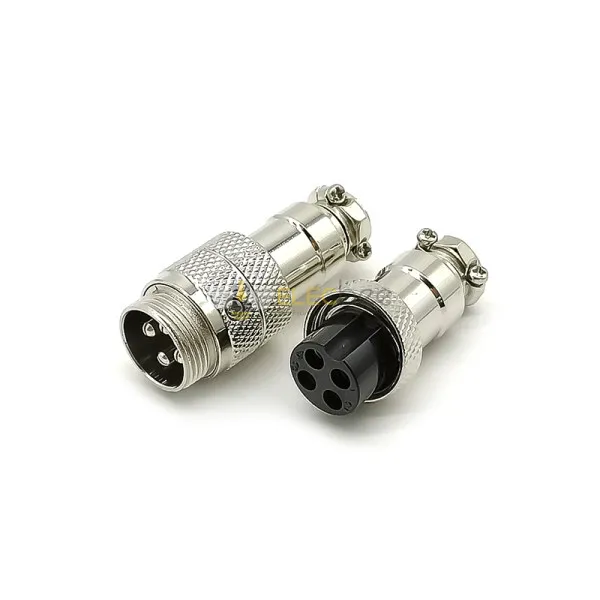
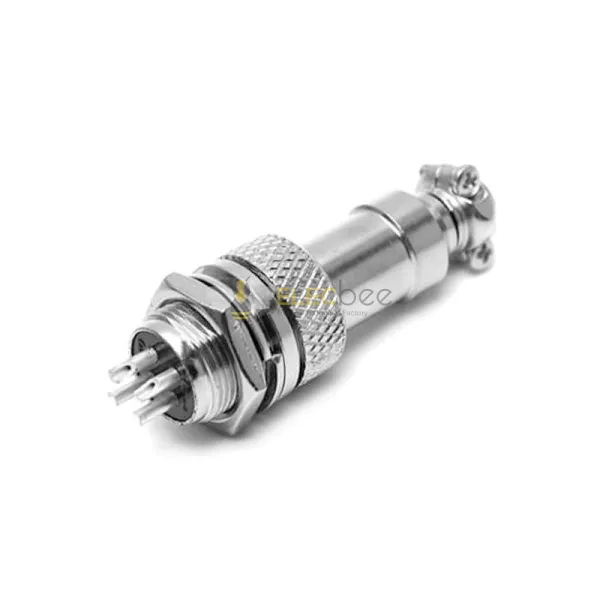
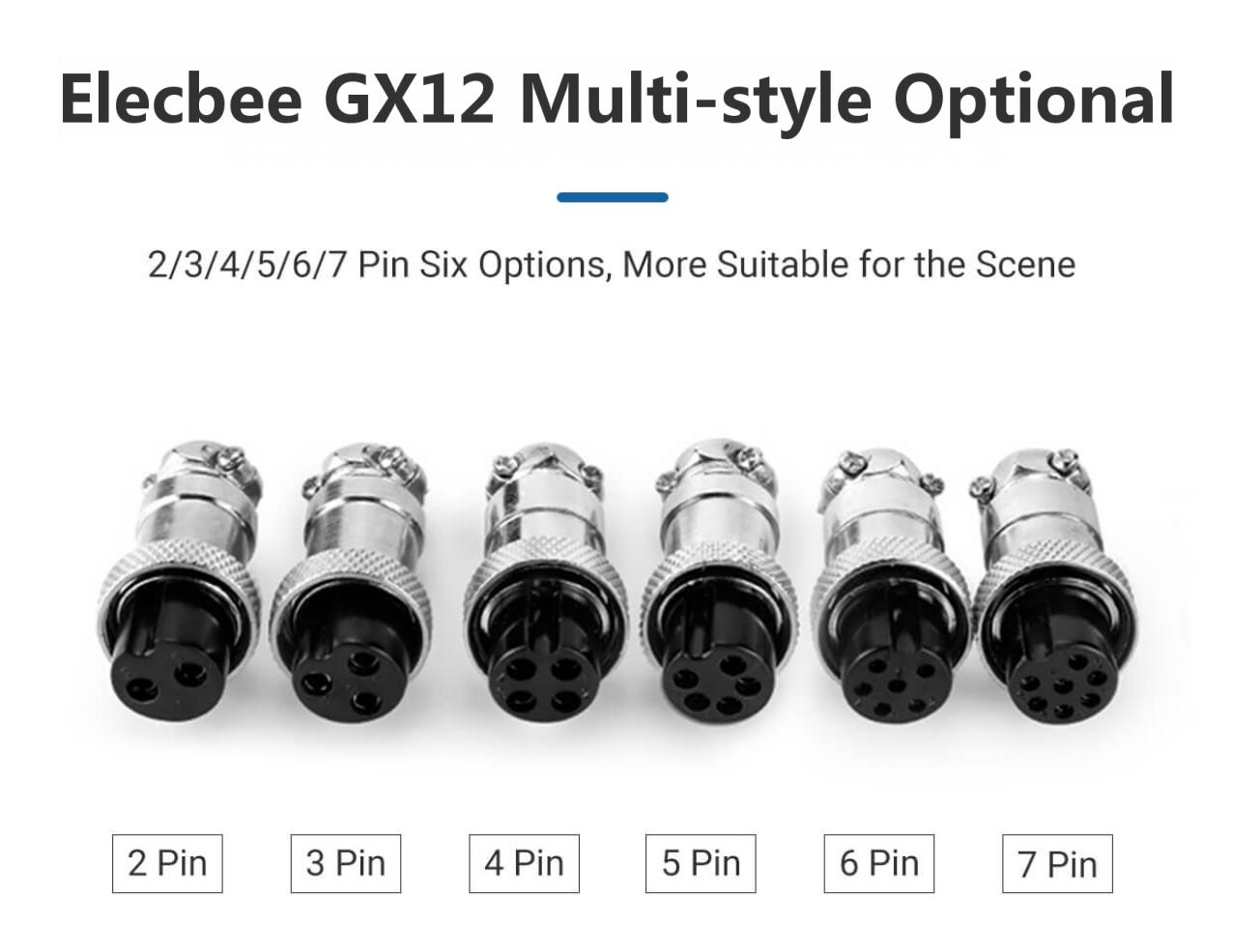
GX12 and GX16 are circular metal connectors commonly used in industrial automation, robotics, aerospace, and communication systems.
They are designed to ensure secure and stable electrical connections, even in harsh environments. Both connector types are available with different pin counts to meet various design requirements.
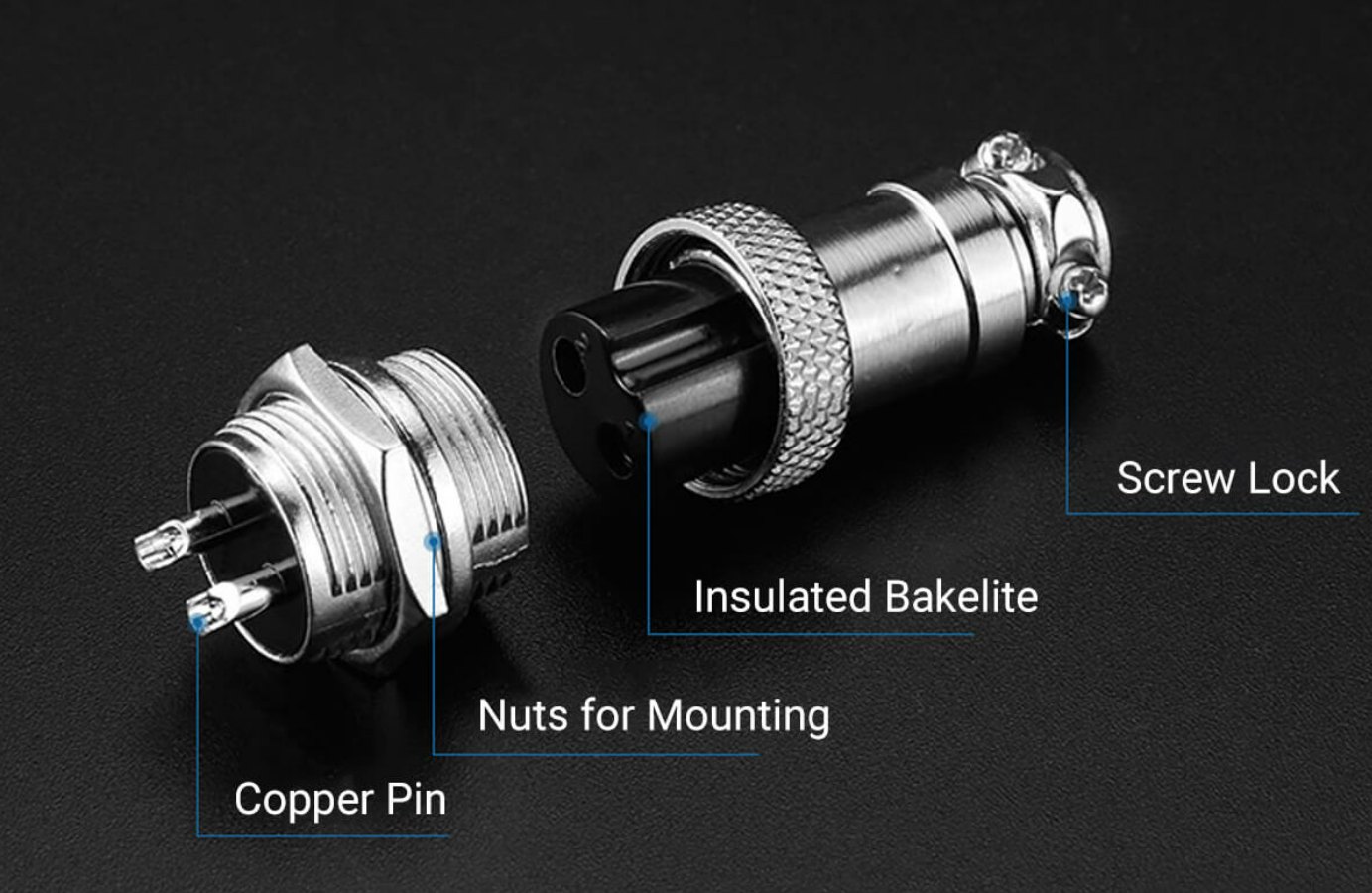
2.GX12 vs GX16: Key Differences in Size, Pins, and Power Rating
|
Feature |
GX12 Connector |
GX16 Connector |
|
Outer Diameter |
12 mm |
16 mm |
|
Pin Count |
2–8 pins |
2–12 pins |
|
Voltage Rating |
Up to 250V |
Up to 400V |
|
Current Capacity |
5A |
10A |
|
Typical Use |
Low-power, compact devices |
High-power, industrial systems |
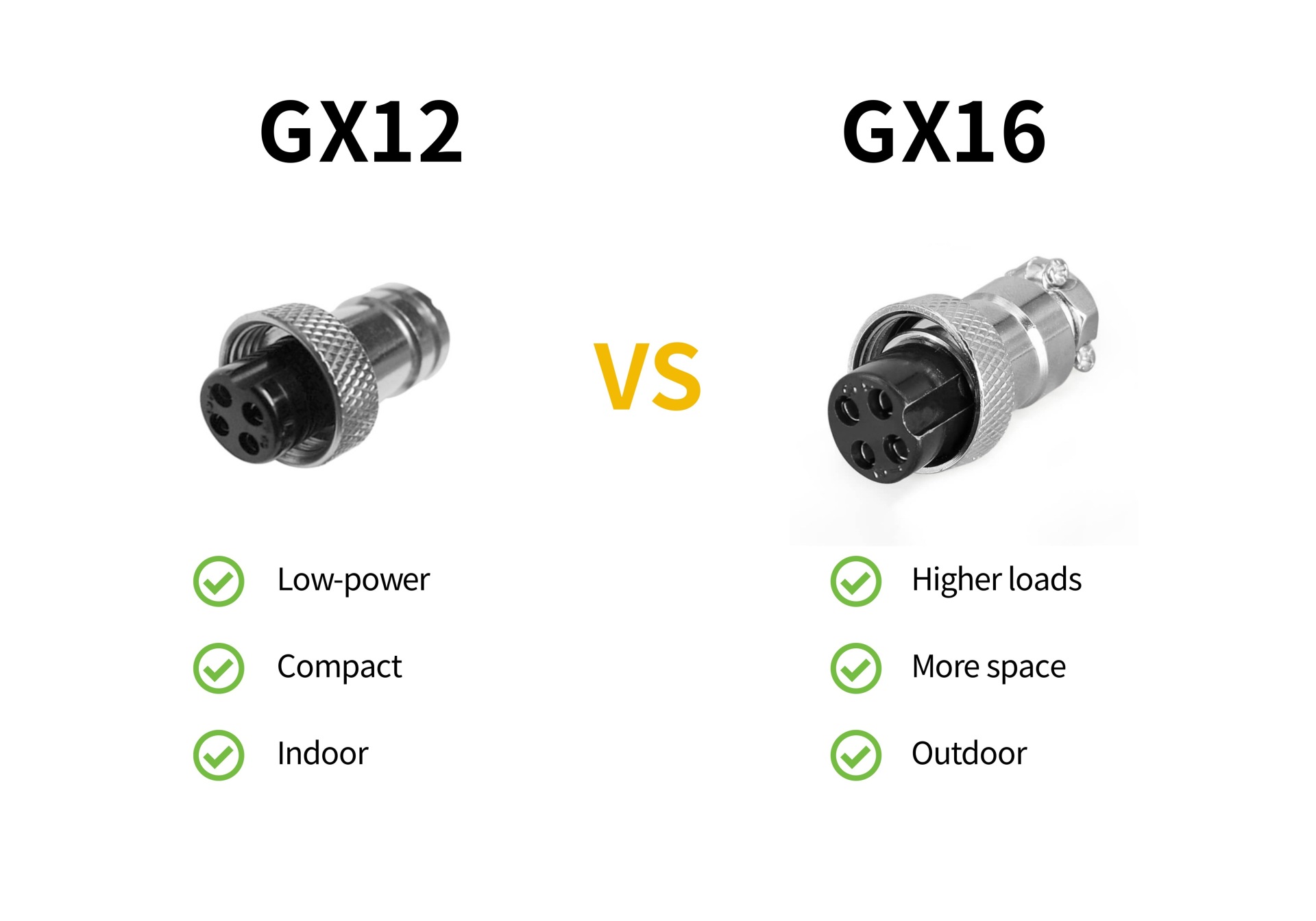
The GX16 connector handles higher voltage and current levels, making it ideal for power equipment and control systems.
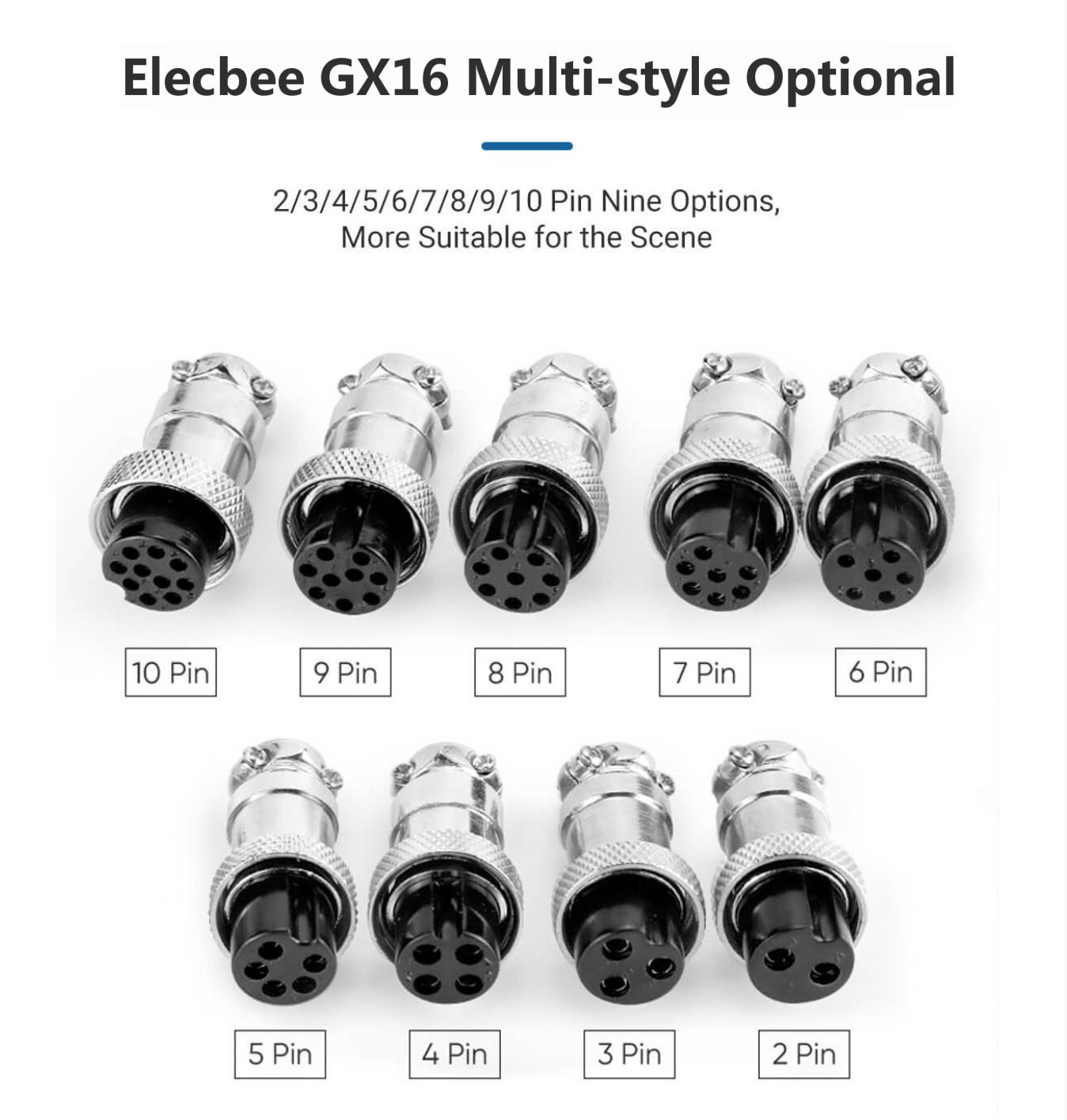
Meanwhile, the GX12 connector is perfect for compact electronics, where space and weight are critical.
3.Applications: Where GX12 and GX16 Connectors Are Used
GX12 connectors are commonly found in:
• Cameras, microphones, and audio devices
• Medical equipment and sensors
• LED lighting systems
• Compact robotics and automation tools
GX16 connectors are typically used in:
• Industrial machinery and control panels
• Power generators and electric vehicles (EVs)
• Aviation and radar systems
• 3D printers and CNC machines
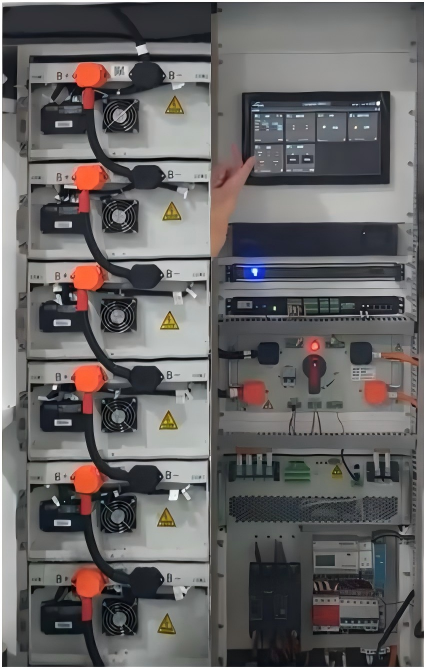
As of 2025, GX16 connectors have also become popular in battery management systems and renewable energy devices, thanks to their durability and higher current rating.
4.GX12 vs GX16: Pros, Cons, and Compatibility
GX12 Advantages:
√ Small and lightweight
√ Cost-effective
√ Easy to mount in compact devices
GX12 Disadvantages:
× Limited power capacity
× Fewer pin layout options
GX16 Advantages:
√ High voltage and current rating
√ Suitable for heavy-duty use
√ Durable metal shell for harsh environments
GX16 Disadvantages:
× Larger and heavier
× Slightly more expensive
5.How to Choose Between GX12 and GX16 Connectors
When deciding between GX12 and GX16, consider the following factors:
a. Voltage & Current Requirements – Use GX16 for higher loads, GX12 for low-power devices.
b. Available Space – GX12 suits compact devices; GX16 requires more panel space.
c. Operating Environment – For outdoor or industrial setups, GX16 provides better resistance.
d. Pin Configuration – Choose the pin count that matches your signal or power requirements.
Tip: Always check the datasheet for your device’s voltage and current limits before selecting a connector.
6. FAQ: Common Questions About GX Connectors
Q1: Can GX12 replace GX16?
Not recommended. The current and voltage limits differ significantly.
Q2: Are GX connectors waterproof?
Standard versions are not fully waterproof, but IP67-rated variants are available.
Q3: Where can I buy GX12 and GX16 connectors?
You can find a full range of GX connectors and accessories on Elecbee’s GX Series Connectors page.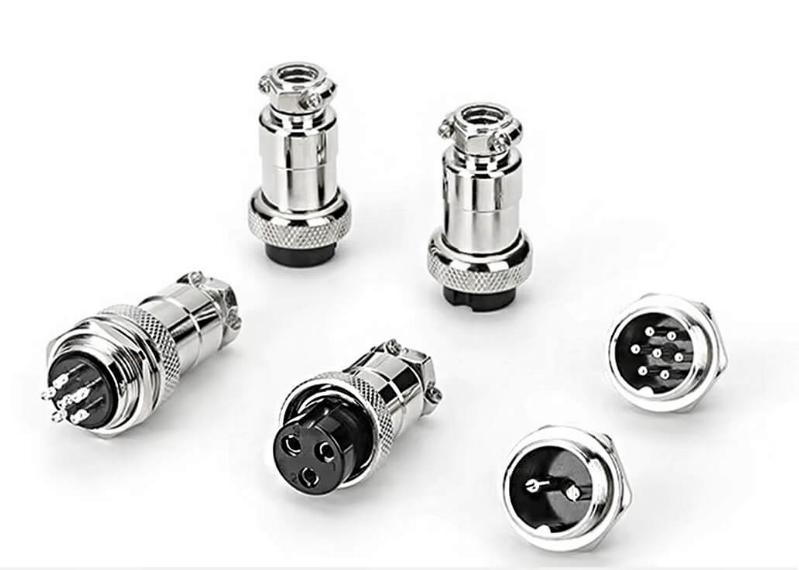
7.Final Thoughts
GX12 and GX16 connectors may look similar, but their specifications make them suited for very different applications.
By understanding their differences in size, power handling, and use cases, you can confidently choose the right connector to ensure safe, stable, and long-lasting performance.